
Wet Saw
Wet Saw: Complete Guide to Uses, Types, Performance, and Buying Considerations
A wet saw is an essential cutting tool used in construction, masonry, tile installation, and stone fabrication. Designed to cut hard materials with precision while controlling dust and heat, a wet saw uses a continuous flow of water to cool the blade and suppress debris. From professional job sites to serious DIY projects, wet saws are relied upon for clean cuts, accuracy, and safety when working with tile, stone, brick, and concrete.
This in-depth guide explains what a wet saw is, how it works, the different types available, common applications, blade options, safety practices, maintenance, and answers to the most frequently asked questions.
What Is a Wet Saw?
A wet saw is a powered cutting machine that uses a diamond blade combined with water to cut dense materials. The water serves multiple purposes: it cools the blade, reduces friction, minimizes chipping, and keeps harmful dust particles out of the air.
Wet saws are commonly used for cutting:
-
Ceramic tile
-
Porcelain tile
-
Natural stone
-
Marble and granite
-
Concrete pavers
-
Brick and masonry products
Their ability to produce straight, accurate, and smooth cuts makes them a standard tool in professional construction and remodeling.
How a Wet Saw Works


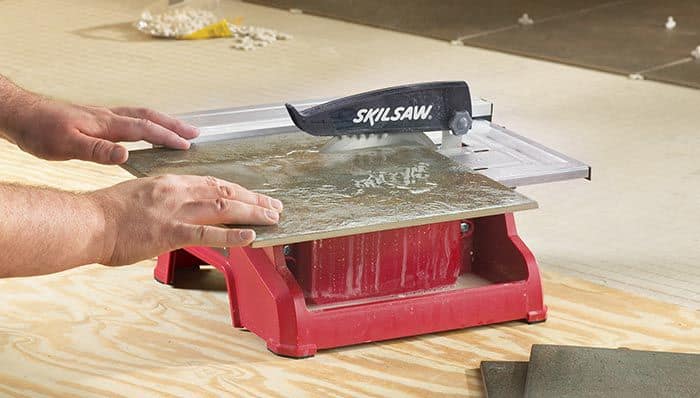
A wet saw operates by spinning a diamond-coated blade at high speed while water is delivered directly to the cutting edge. The material is guided through the blade using a sliding table or fixed cutting surface.
Key components include:
-
Electric motor
-
Diamond blade
-
Water reservoir or pump system
-
Cutting table or tray
-
Fence or guide for straight cuts
The combination of water and diamond abrasives allows the saw to cut materials that would quickly destroy standard dry blades.
Types of Wet Saws
Tabletop Wet Saws
Tabletop wet saws are compact and portable, making them ideal for small to medium tile projects. They typically feature a stationary blade and a sliding tray that moves the material through the cut.
Best suited for:
-
Ceramic and porcelain tile
-
Home remodeling projects
-
DIY and light professional use
Bridge Wet Saws
Bridge saws use a sliding motor assembly that moves across a stationary tile. These saws offer excellent precision and are commonly used for large-format tile and stone.
Best suited for:
-
Large tiles and slabs
-
Professional tile installers
-
High-precision cutting
Masonry Wet Saws
Masonry wet saws are heavy-duty machines designed to cut brick, block, concrete, and pavers. They feature larger blades and more powerful motors.
Best suited for:
-
Concrete and masonry work
-
Landscaping and hardscaping
-
Construction job sites
Common Applications of a Wet Saw
Wet saws are used across multiple industries due to their versatility and cutting power.
Tile Installation
Tile professionals rely on wet saws for straight cuts, angled cuts, and notches. Water-cooled blades reduce chipping on delicate tile surfaces.
Stone Fabrication
Natural stone materials such as granite and marble require wet cutting to prevent cracking and excessive heat buildup.
Masonry and Concrete Work
Wet saws equipped with larger blades easily cut pavers, bricks, and concrete blocks while controlling silica dust.
Remodeling and Renovation
Wet saws are commonly used in kitchens, bathrooms, and flooring projects where accuracy and clean finishes are critical.
Wet Saw Blades Explained
The blade is one of the most important parts of a wet saw.
Continuous Rim Blades
Designed for smooth, chip-free cuts, these blades are ideal for ceramic and porcelain tile.
Segmented Blades
Segmented blades cut faster and are commonly used for masonry and concrete, though they produce rougher edges.
Turbo Blades
Turbo blades balance speed and smoothness, making them suitable for stone and dense materials.
Blade diameter and arbor size must match the saw’s specifications for safe operation.
Key Features to Look for in a Wet Saw
When selecting a wet saw, several features impact performance and ease of use.
Motor Power
Higher horsepower motors handle denser materials and larger blades more effectively.
Cutting Capacity
Maximum cut length and depth determine the size of material the saw can handle.
Water Delivery System
Efficient water flow improves blade life and cut quality.
Portability
Wheeled stands and lightweight frames make transport easier on job sites.
Adjustable Cutting Angles
Bevel and miter capabilities expand the saw’s versatility.
Popular Wet Saw Brands
Several manufacturers are known for producing reliable, high-performance wet saws used by professionals worldwide:
-
Husqvarna – Known for durable masonry and tile saws
-
iQ Power Tools – Specializes in innovative cutting solutions
-
MK Diamond – Trusted for professional tile and stone saws
-
DeWalt – Offers portable and contractor-grade wet saws
-
Rubi – Popular among tile installers for precision saws
Each brand offers different models designed for specific materials and workloads.
Safety Considerations When Using a Wet Saw
Using a wet saw safely is critical due to rotating blades and water exposure.
Important safety practices include:
-
Wearing eye and hearing protection
-
Using gloves with good grip
-
Keeping hands clear of the blade
-
Ensuring proper electrical grounding
-
Using a GFCI outlet
-
Maintaining stable footing and workspace
Water significantly reduces dust but does not eliminate the need for proper protective equipment.
Wet Saw Maintenance and Care
Regular maintenance ensures consistent performance and long tool life.
Cleaning
Remove slurry buildup from the tray, pump, and blade area after use.
Blade Inspection
Check blades for excessive wear or damage and replace when cutting performance declines.
Water System Maintenance
Clean pumps and hoses to maintain proper water flow.
Motor and Electrical Checks
Inspect cords and switches regularly to prevent electrical hazards.
Wet Saw vs Dry Saw
Wet saws differ significantly from dry cutting tools.
Wet saw advantages:
-
Reduced dust
-
Cooler blade operation
-
Cleaner cuts
-
Longer blade life
Dry saws may offer portability and speed but are better suited for rough cuts and outdoor use with proper dust control.
Wet Saw FAQs
What is a wet saw used for?
A wet saw is used to cut tile, stone, concrete, brick, and other dense materials with precision and minimal dust.
Why does a wet saw use water?
Water cools the blade, reduces friction, controls dust, and improves cut quality.
Can a wet saw cut porcelain tile?
Yes. Wet saws are ideal for porcelain tile due to their hardness.
Are wet saws safe to use indoors?
Yes, when used with proper ventilation, electrical protection, and cleanup.
What size blade does a wet saw use?
Common blade sizes range from 7 inches to 14 inches, depending on the saw type.
Can a wet saw make angled cuts?
Many wet saws offer bevel or miter adjustments for angled cuts.
How often should a wet saw blade be replaced?
Blades should be replaced when cutting becomes slow, uneven, or causes chipping.
Is a wet saw better than a tile cutter?
For hard materials and precise cuts, a wet saw offers superior performance compared to manual tile cutters.
Why a Wet Saw Is an Essential Tool
A wet saw remains one of the most important tools in tile, masonry, and stone work. Its ability to deliver clean, accurate cuts while controlling dust and heat makes it indispensable for professionals and serious DIY users alike.
Whether cutting delicate porcelain tile or dense concrete pavers, a wet saw provides the precision, durability, and reliability required for high-quality results across a wide range of applications.