
Wet Cutting
Wet Cutting with Diamond Blades: The Complete Guide to Precision Cutting for Concrete, Stone, and Masonry
Wet cutting with diamond blades is one of the most effective methods used in construction, masonry, and concrete cutting. This technique involves using water during the cutting process to cool the blade, reduce dust, and improve overall cutting performance. Diamond blades are designed to cut extremely hard materials such as concrete, asphalt, brick, tile, granite, and other masonry products. When combined with water, these blades can operate more efficiently, last longer, and produce cleaner cuts.
Contractors, masons, tile installers, and construction professionals rely on wet cutting because it enhances safety and improves precision. Whether using a handheld saw, masonry saw, tile saw, or walk-behind concrete saw, wet cutting with diamond blades remains one of the most widely used techniques in the construction industry.
This comprehensive guide explains how wet cutting works, the advantages of using water with diamond blades, the types of blades available, and best practices for achieving professional results.
What Is Wet Cutting with Diamond Blades?
Wet cutting with diamond blades is the process of cutting hard construction materials using a diamond blade while continuously applying water to the blade and cutting surface.
The water serves several important purposes:
-
Cooling the blade during cutting
-
Reducing airborne dust particles
-
Removing debris from the cutting path
-
Improving blade performance
-
Extending blade lifespan
Diamond blades contain industrial-grade diamonds embedded in a metal matrix along the blade’s edge. These diamonds grind through materials rather than slicing them like traditional cutting tools.
Wet cutting helps maintain optimal blade temperature and ensures efficient cutting through tough materials.
How Diamond Blades Work


Diamond blades are specially engineered cutting tools used for hard materials. Unlike standard blades, they do not have teeth. Instead, they feature segments containing synthetic diamonds bonded within a metal matrix.
As the blade spins at high speed:
-
The diamonds grind against the material surface.
-
The metal bond gradually wears away, exposing new diamonds.
-
The cutting process continues as new diamonds become exposed.
Water plays a critical role in maintaining blade efficiency during this process.
Why Wet Cutting Is Important
Wet cutting provides several advantages that make it the preferred method for many professional contractors.
Reduces Heat
Diamond blades generate significant friction when cutting hard materials. Water cools the blade and prevents overheating.
Minimizes Dust
Dry cutting concrete or stone can create large amounts of silica dust. Water suppresses dust and improves job-site safety.
Extends Blade Life
Cooling and lubrication reduce blade wear, allowing diamond blades to last longer.
Improves Cutting Precision
Water helps flush debris away from the cutting path, producing smoother and cleaner cuts.
Enhances Operator Safety
Lower dust levels and reduced heat help create a safer working environment.
Tools Used for Wet Cutting with Diamond Blades
Several types of saws and equipment are commonly used for wet cutting applications.
Tile Saws

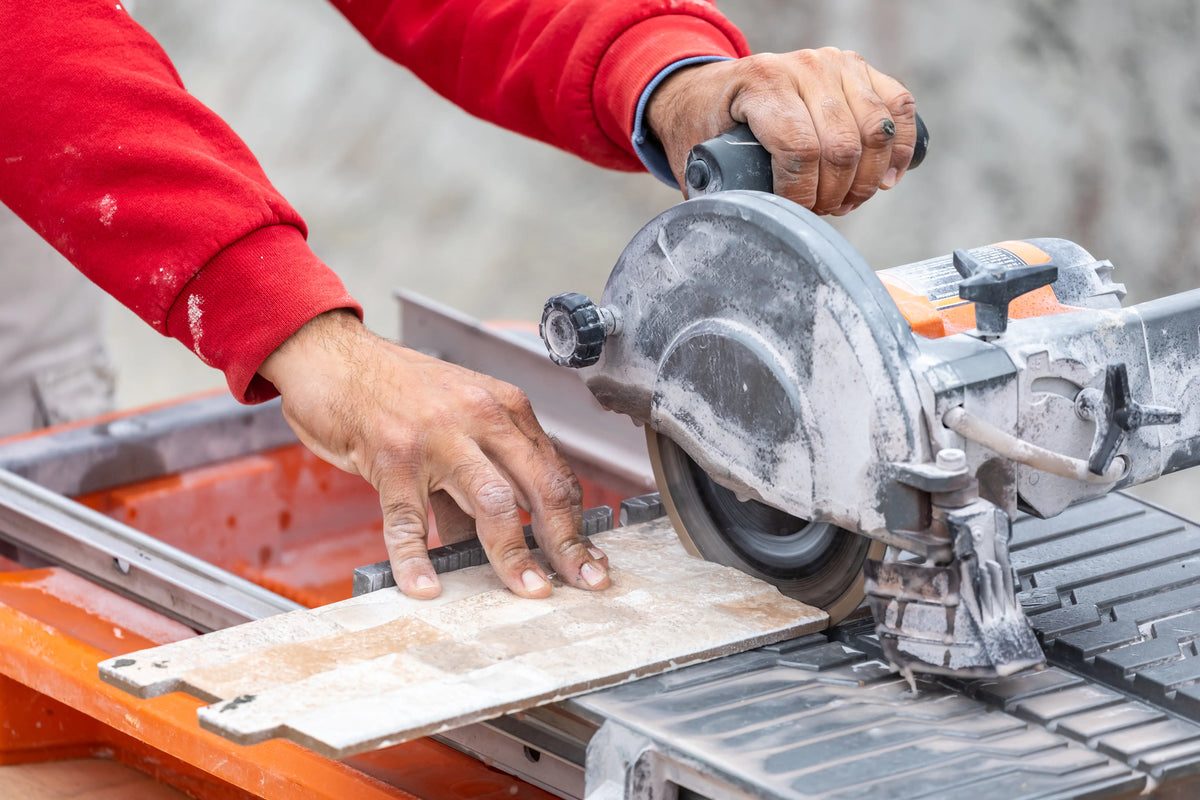
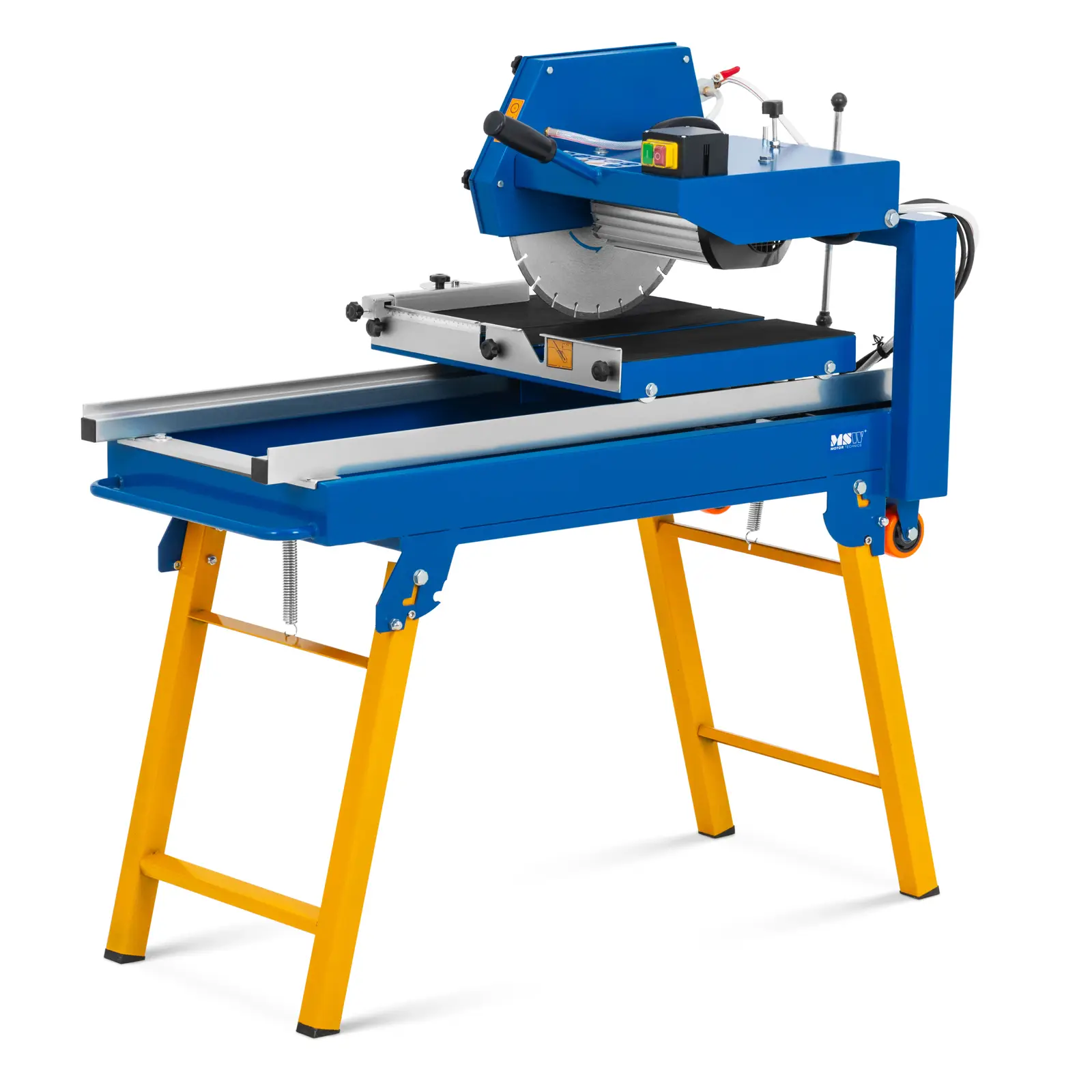
Tile saws are designed for cutting ceramic, porcelain, and stone tiles. These saws include built-in water systems that continuously cool the blade during operation.
Tile saws provide:
-
Precise tile cuts
-
Reduced chipping
-
Smooth finishing edges
They are commonly used by tile installers and flooring contractors.
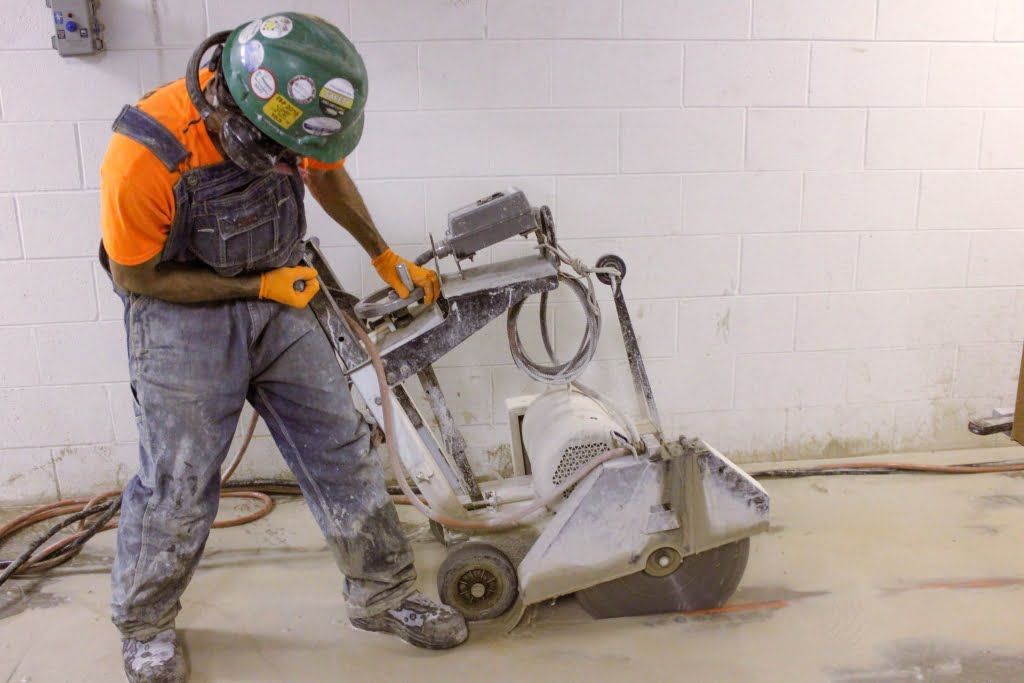
Concrete Saw Cutters

Concrete saws are powerful cutting machines used for large construction projects.
These saws can cut through:
-
Reinforced concrete
-
Asphalt
-
Brick
-
Stone
Water systems attached to the saw supply continuous cooling.
Masonry Saws
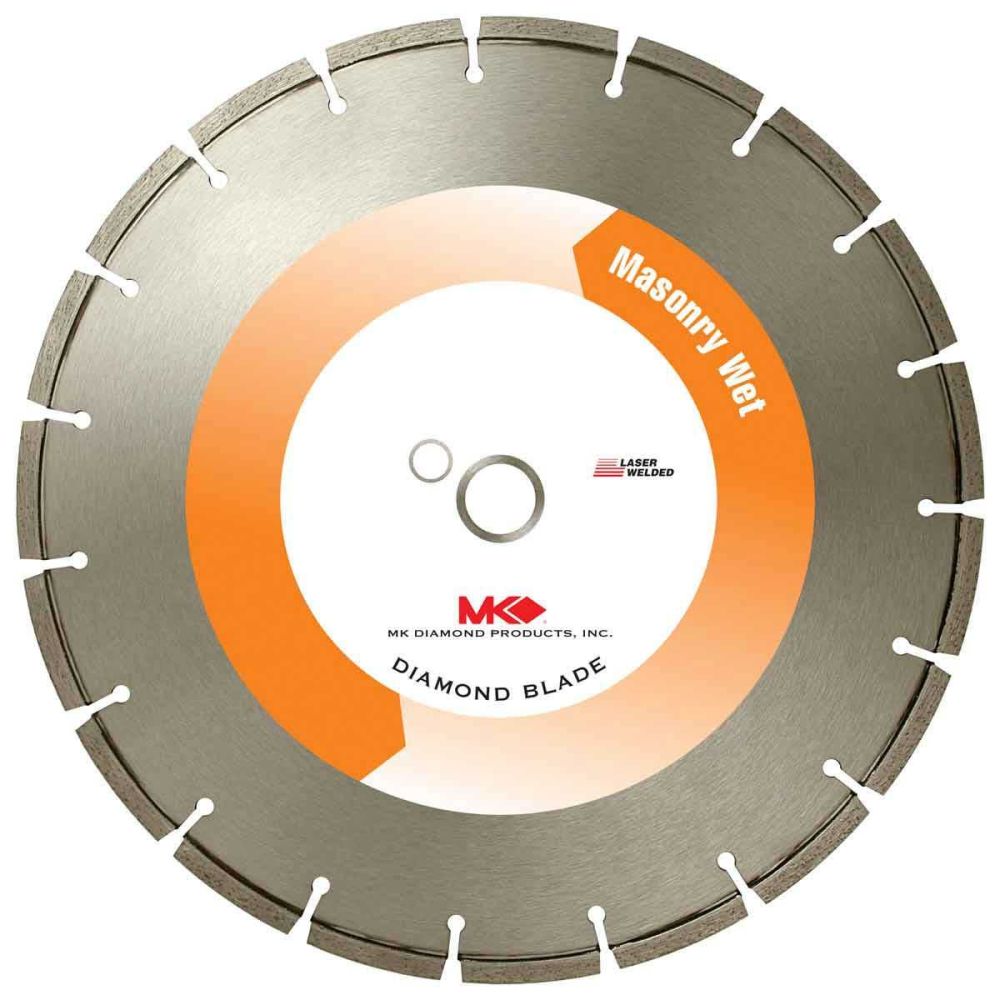
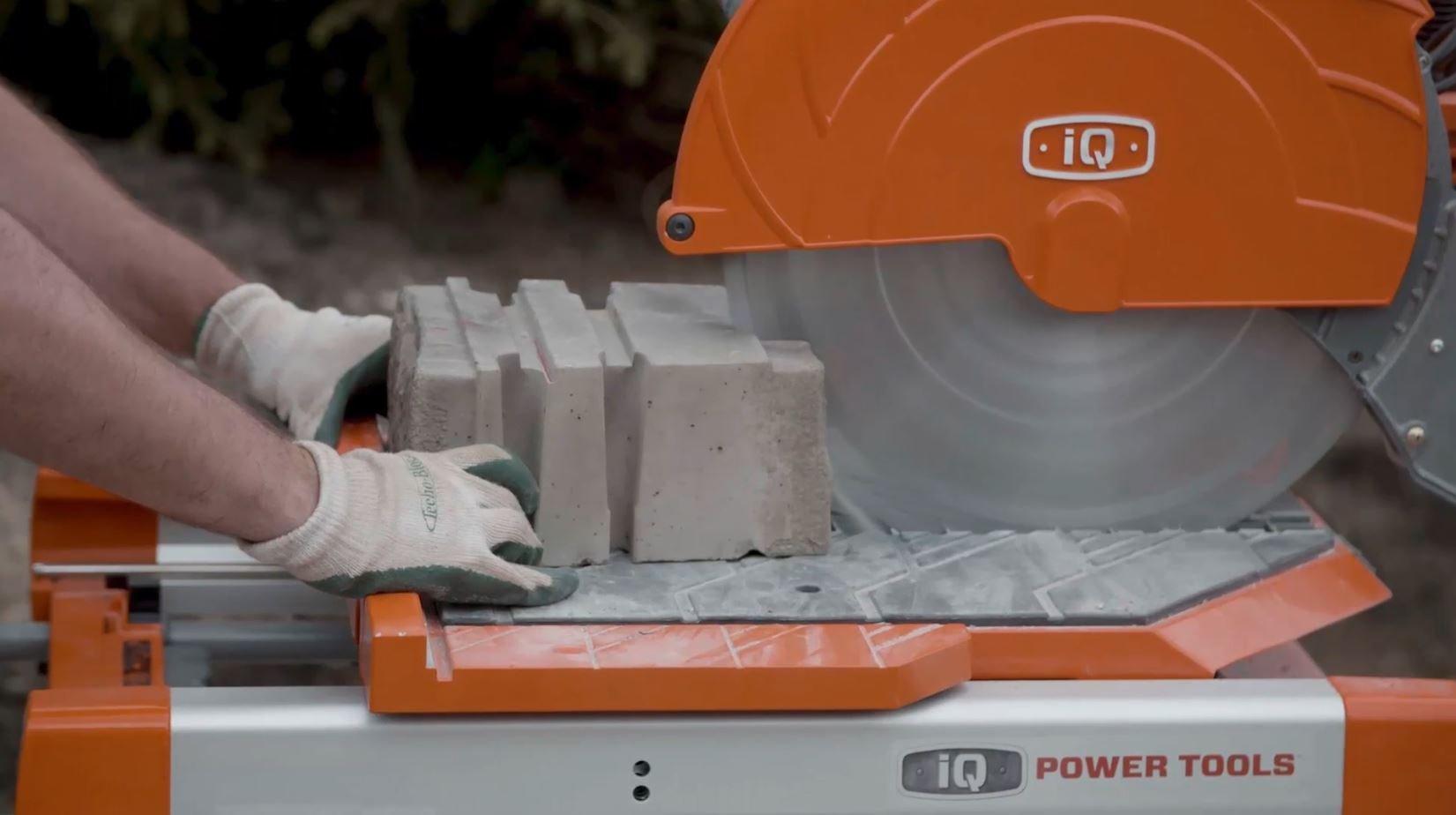
Masonry saws are designed for cutting bricks, blocks, and natural stone.
These saws typically feature water pumps or reservoirs that deliver water directly to the blade.
Handheld Power Cutters
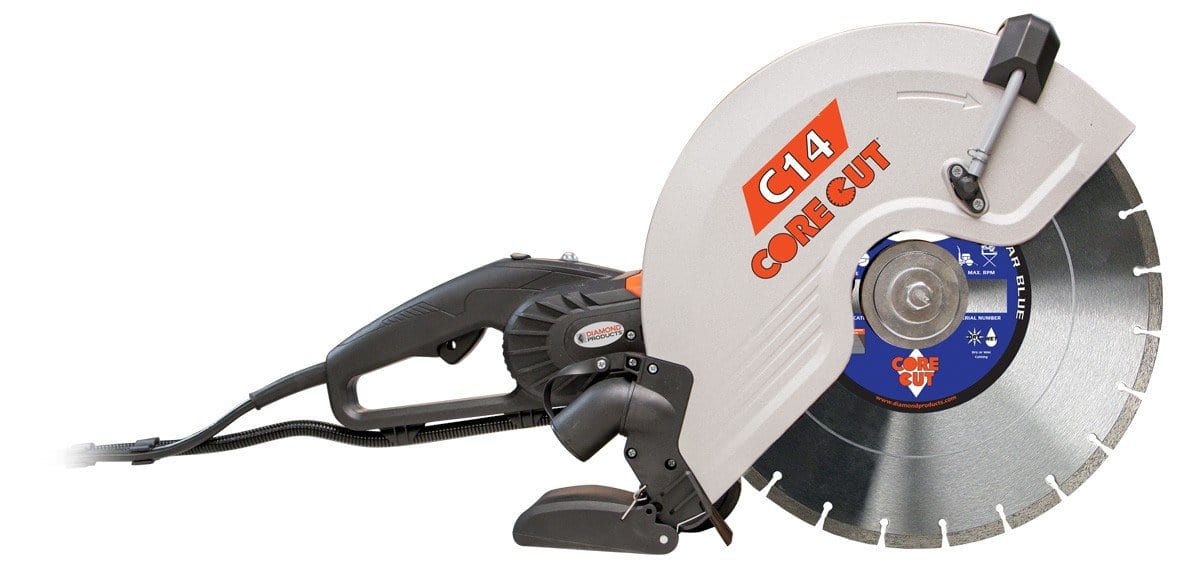
Handheld saws provide flexibility for cutting concrete, asphalt, and masonry materials on job sites.
Many modern handheld saws include water attachments that connect to hoses for continuous water flow.
Materials That Can Be Cut Using Wet Diamond Blades
Wet cutting with diamond blades is suitable for a wide range of construction materials.
Concrete
Diamond blades are commonly used to cut cured or reinforced concrete.
Asphalt
Specialized diamond blades can efficiently cut asphalt during roadwork and paving projects.
Brick and Block
Masonry materials such as bricks and cinder blocks can be cut cleanly using wet blades.
Tile and Porcelain
Wet tile saws are widely used to cut ceramic, porcelain, and glass tiles.
Natural Stone
Granite, marble, limestone, and other natural stones require diamond blades for effective cutting.
Wet cutting improves performance across all of these materials.
Types of Diamond Blades for Wet Cutting
Different diamond blade designs are optimized for various materials.
Segmented Diamond Blades
Segmented blades feature gaps between cutting segments that improve cooling and debris removal.
Continuous Rim Blades
Continuous rim blades provide smooth, chip-free cuts for delicate materials such as tile and porcelain.
Turbo Rim Blades
Turbo blades combine smooth cutting with faster material removal.
Choosing the right blade ensures optimal performance for specific materials.
Best Practices for Wet Cutting with Diamond Blades
Professional contractors follow several guidelines to achieve the best results.
Maintain Consistent Water Flow
Adequate water flow is essential for cooling the blade and suppressing dust.
Use the Correct Blade Type
Different materials require blades designed for that specific material.
Avoid Excessive Pressure
Allow the blade to cut at its own pace to prevent overheating and premature wear.
Keep the Blade Aligned
Proper alignment ensures straight cuts and prevents blade damage.
Inspect Blades Regularly
Checking blades for wear or damage helps maintain cutting efficiency.
These practices help maximize blade performance and cutting accuracy.
Common Mistakes When Wet Cutting
Avoiding common mistakes helps ensure safe and efficient cutting.
Insufficient Water Supply
Without enough water, blades can overheat and wear out quickly.
Using the Wrong Blade
Blades designed for one material may perform poorly on another.
Excessive Cutting Pressure
Forcing the blade can damage both the blade and the saw.
Ignoring Blade Maintenance
Worn blades can cause poor cutting performance and rough edges.
Proper preparation and technique help prevent these issues.
Frequently Asked Questions About Wet Cutting with Diamond Blades
What is wet cutting with diamond blades?
Wet cutting is a method of cutting hard materials using diamond blades while applying water to cool the blade and reduce dust.
Why is water used when cutting with diamond blades?
Water cools the blade, reduces dust, and improves cutting performance.
Can diamond blades be used for dry cutting?
Some diamond blades are designed for dry cutting, but wet cutting often improves performance and blade lifespan.
What materials can diamond blades cut?
Diamond blades can cut concrete, asphalt, brick, stone, tile, and other hard materials.
Do wet diamond blades last longer?
Yes. Cooling and lubrication from water reduce wear and extend blade life.
Is wet cutting safer than dry cutting?
Wet cutting reduces airborne dust, which improves job-site safety.
Can handheld saws be used for wet cutting?
Many handheld saws include water attachments that allow wet cutting.
What type of blade is best for tile?
Continuous rim diamond blades are typically used for tile because they produce smooth cuts.
How much water is needed for wet cutting?
A steady flow that keeps the blade and cutting surface wet is usually sufficient.
Why does a diamond blade need cooling?
Cooling prevents overheating and preserves the metal bond holding the diamonds.
Why Wet Cutting with Diamond Blades Is the Preferred Method
Wet cutting with diamond blades has become the industry standard for cutting hard construction materials. By combining the grinding power of industrial diamonds with the cooling and dust control benefits of water, contractors can achieve cleaner cuts, longer blade life, and safer working conditions.
Whether cutting concrete slabs, shaping stone, trimming tile, or performing masonry work, wet cutting provides superior performance compared to dry cutting methods. The combination of durability, precision, and efficiency makes diamond blades one of the most valuable tools in modern construction and masonry projects.
For professionals working with tough materials, wet cutting with diamond blades remains one of the most reliable and effective techniques available today.