
Tile Grinder
Tile Grinder: Complete Guide to Cutting, Shaping, and Finishing Tile
A tile grinder is a versatile power tool used to cut, shape, grind, and smooth ceramic, porcelain, stone, and other tile materials. Commonly based on an angle grinder platform, tile grinders are essential for tile installers, contractors, remodelers, and serious DIY users who need precision cuts, edge finishing, and access to tight or irregular areas where tile saws cannot reach.
From trimming porcelain planks to smoothing sharp edges and cutting outlets or curves, a tile grinder delivers control, flexibility, and efficiency across a wide range of tile applications.
What Is a Tile Grinder?
A tile grinder is typically an angle grinder equipped with a diamond blade, grinding wheel, or polishing pad specifically designed for tile and stone. Unlike table saws or wet saws that rely on straight cuts, a tile grinder excels at freehand work, detailed shaping, and finish refinement.
Tile grinders are used for:
-
Straight and plunge cuts
-
Curved and circular cuts
-
Notches and corner relief cuts
-
Edge smoothing and beveling
-
Surface grinding and correction
They are indispensable when precision and adaptability are required.
How a Tile Grinder Works
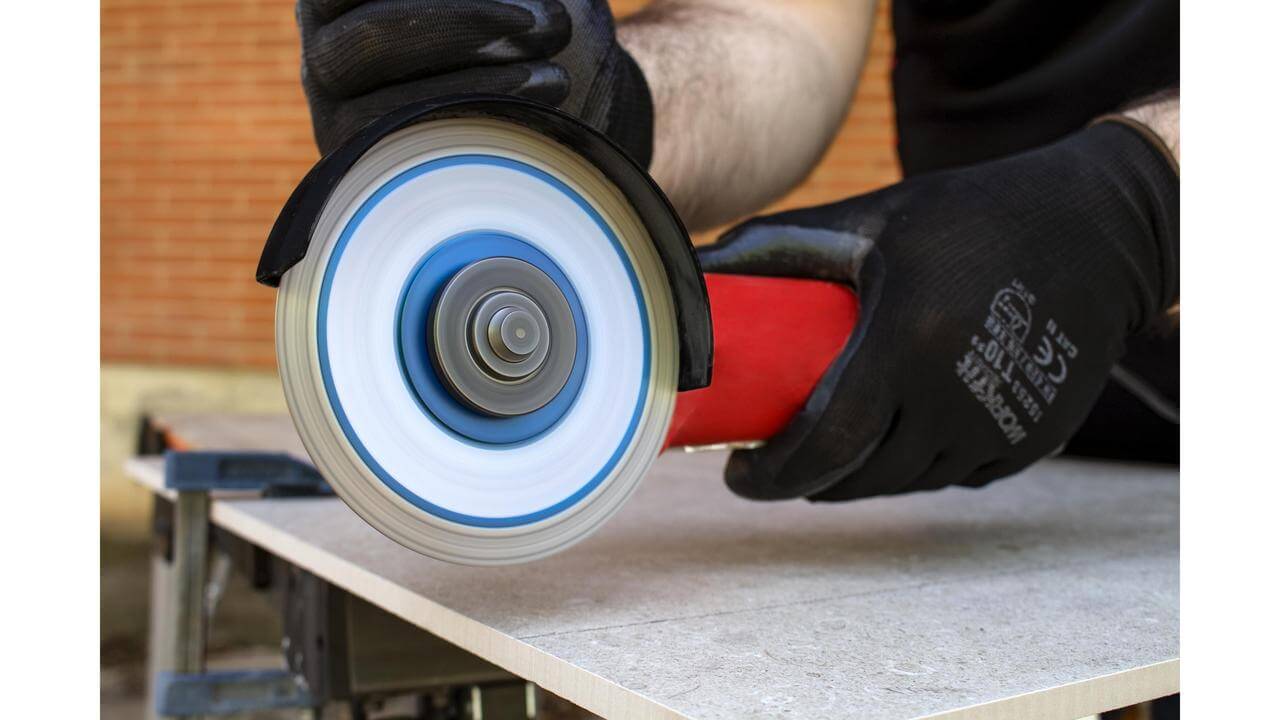

A tile grinder works by spinning a diamond-coated accessory at high RPM. The diamond abrasives grind through hard tile materials rather than tearing or cracking them.
Key components include:
-
Electric or battery-powered motor
-
Adjustable guard
-
Diamond blade, cup wheel, or polishing pad
-
Side handle for control
-
Variable speed control (on some models)
The operator guides the grinder steadily along the tile surface, allowing the diamond tooling to do the cutting.
Types of Tile Grinders
Angle Grinder Tile Setup
Most tile grinders are standard 4.5-inch or 5-inch angle grinders fitted with tile-specific accessories. This setup is lightweight, affordable, and extremely versatile.
Variable-Speed Tile Grinders
Variable-speed models allow better control when grinding edges or polishing stone and porcelain, reducing chipping and overheating.
Corded vs Cordless Tile Grinders
-
Corded grinders offer consistent power for long cutting sessions
-
Cordless grinders provide portability and convenience for small jobs or finished spaces
Both are widely used depending on jobsite needs.
Tile Materials a Tile Grinder Can Cut
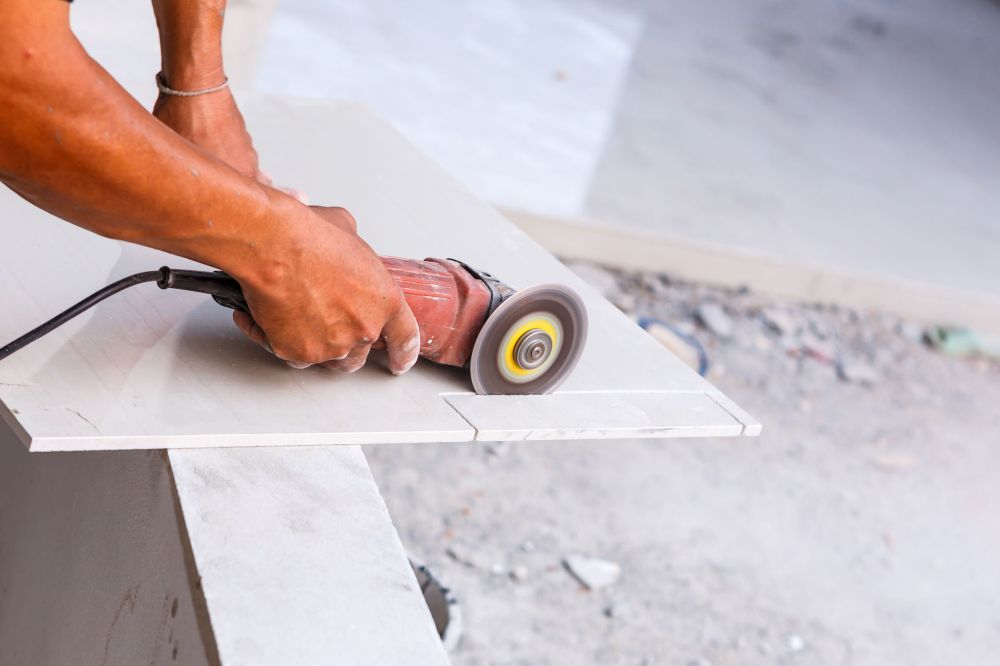
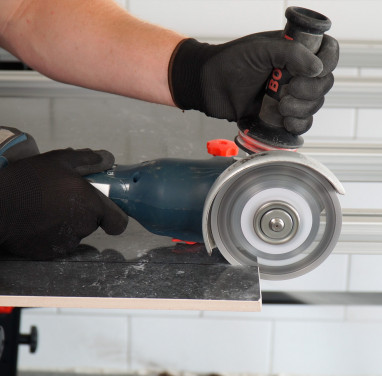
A tile grinder can cut and grind a wide range of materials when paired with the correct diamond accessory.
Common materials include:
-
Ceramic tile
-
Porcelain tile
-
Marble
-
Granite
-
Slate
-
Natural stone
-
Quarry tile
Porcelain and stone require high-quality diamond blades to prevent chipping and overheating.
Common Applications of a Tile Grinder
Cutting Tile to Size
Tile grinders are ideal for trimming tiles that are slightly oversized or need precise adjustments after dry fitting.
Curved and Irregular Cuts
Unlike tile saws, grinders easily handle curves around toilets, drains, pipes, and architectural features.
Notches and Cutouts
Electrical outlets, corners, and door jambs often require notch cuts best handled with a tile grinder.
Edge Grinding and Smoothing
Sharp or chipped tile edges can be smoothed using diamond grinding wheels or pads.
Beveling and Mitering
Tile grinders allow controlled bevels and miters for corners and transitions.
Tile Grinder Blades and Accessories
Choosing the correct accessory is critical for performance and finish quality.
Diamond Cutting Blades
-
Continuous rim blades for clean cuts
-
Turbo blades for faster cutting
-
Segmented blades for aggressive material removal
Diamond Grinding Wheels
Used to smooth edges, remove lippage, and adjust tile thickness.
Polishing Pads
Allow step-by-step edge polishing for stone and porcelain tiles.
Dust Shrouds
Optional attachments that connect to vacuums for cleaner cutting.
Wet Cutting vs Dry Cutting With a Tile Grinder
Dry Cutting
Most tile grinders are used dry. This offers speed and convenience but generates dust and heat.
Wet Cutting
Some installers lightly mist the blade or tile to reduce dust and chipping. Care must be taken to avoid electrical hazards.
Dry cutting is more common, while wet techniques are used selectively for delicate materials.
Tile Grinder vs Tile Saw
Both tools serve different purposes in tile installation.
Tile grinder advantages:
-
Handles curves and irregular cuts
-
Excellent for detail work
-
Portable and versatile
-
Ideal for on-site adjustments
Tile saw advantages:
-
Perfect straight cuts
-
Faster production for repetitive work
-
Cleaner edges on long cuts
Professional installers typically use both tools together.
Safety Considerations When Using a Tile Grinder
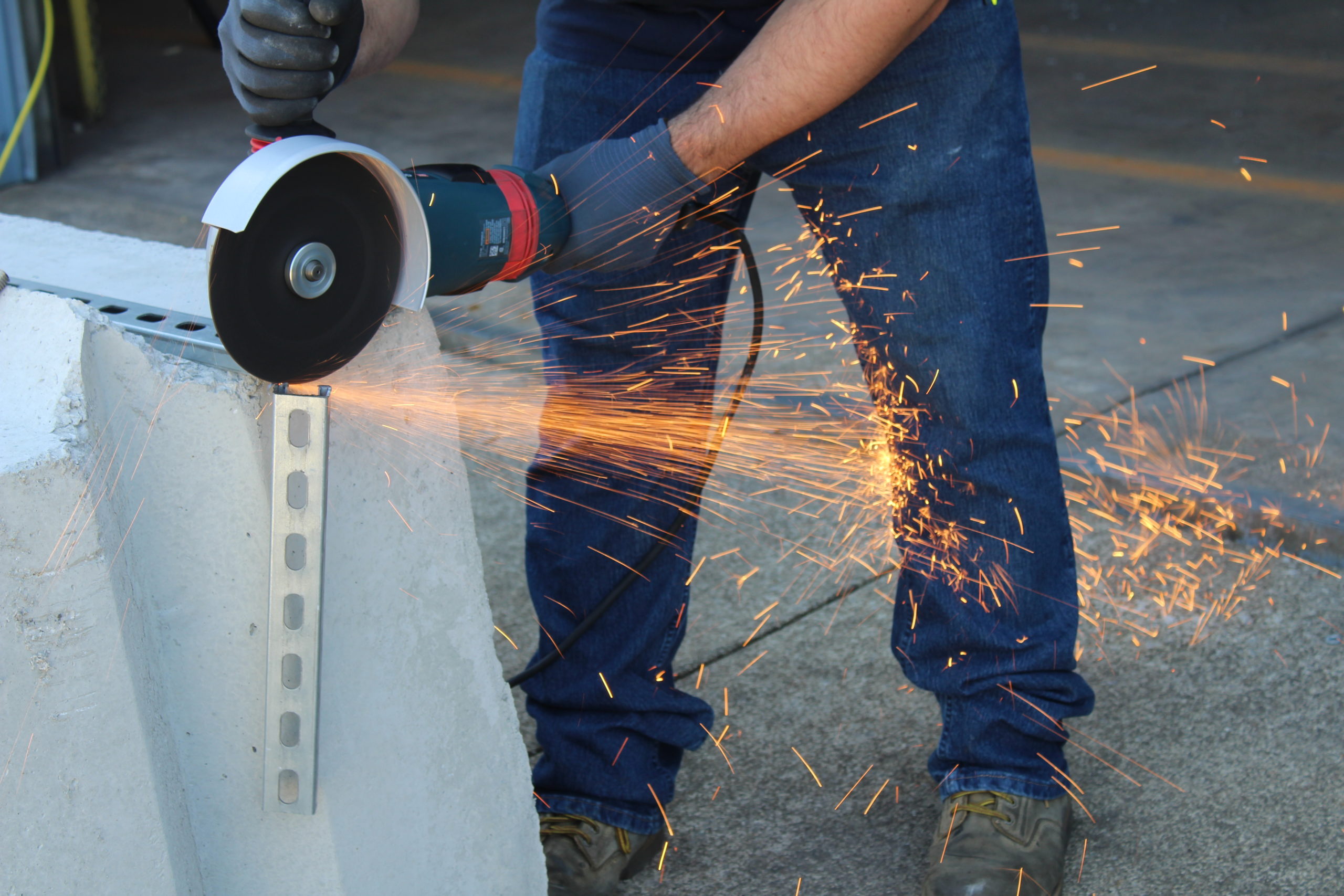

Tile grinders operate at high speed and require proper safety precautions.
Essential safety practices include:
-
Wearing eye protection and face shields
-
Using gloves with good grip
-
Wearing a respirator or dust mask
-
Securing the tile firmly before cutting
-
Letting the blade reach full speed before contact
Never remove safety guards or force the grinder through the tile.
Power and RPM Considerations
Tile grinders rely on high RPM rather than torque. Most angle grinders operate between 8,000 and 11,000 RPM.
Important considerations:
-
Porcelain benefits from steady, controlled speed
-
Excessive pressure causes chipping
-
Variable speed improves edge finishing
Letting the diamond blade work naturally improves results and blade life.
Popular Tile Grinder Brands
Several manufacturers are well known for producing reliable grinders used in tile work:
-
Makita – Known for smooth, durable grinders
-
DeWalt – Popular for jobsite durability
-
Milwaukee – Strong cordless grinder options
-
Bosch – Precision-focused grinder designs
-
Metabo – High-performance grinders with safety features
These brands support a wide range of diamond accessories for tile and stone.
Maintenance and Blade Care
Proper care improves performance and extends tool life.
Maintenance tips:
-
Clean dust from vents regularly
-
Inspect blades for wear or cracks
-
Replace dull blades promptly
-
Store grinders in dry conditions
Diamond blades should be dressed periodically to expose fresh cutting surfaces.
Tile Grinder Techniques for Better Results
Professional results depend on technique as much as tools.
Best practices include:
-
Making shallow passes instead of deep cuts
-
Scoring tile before full-depth cutting
-
Supporting tiles near cut lines
-
Using masking tape to reduce chipping
-
Practicing on scrap tiles first
These techniques reduce breakage and improve edge quality.
Tile Grinder FAQs
What is a tile grinder used for?
A tile grinder is used to cut, shape, grind, and smooth ceramic, porcelain, and stone tiles.
Can a tile grinder cut porcelain tile?
Yes. With a quality diamond blade, tile grinders cut porcelain effectively.
Is a tile grinder better than a tile saw?
No. Tile grinders and tile saws serve different purposes and are best used together.
Do tile grinders create a lot of dust?
Yes. Dry cutting generates dust, so proper PPE and dust control are important.
What size grinder is best for tile?
Most installers use 4.5-inch or 5-inch angle grinders for tile work.
Can a tile grinder smooth sharp edges?
Yes. Diamond grinding wheels and polishing pads are designed for edge finishing.
Is wet cutting safe with a tile grinder?
It can be done cautiously, but electrical safety must be considered.
Are tile grinders beginner-friendly?
Yes, but practice and proper safety precautions are essential.
Why a Tile Grinder Is an Essential Tile Tool
A tile grinder is one of the most important tools in tile installation and remodeling. Its ability to perform precise cuts, handle curves, and refine edges makes it indispensable for professional-quality results.
Whether trimming porcelain, shaping stone, or smoothing edges, a tile grinder offers unmatched flexibility and control—ensuring clean finishes, accurate fits, and efficient tile installations across residential and commercial projects.