
Scarifying Concrete
Scarifying Concrete: Complete Guide to Surface Preparation, Methods, and Applications
Scarifying concrete is a highly effective surface-preparation process used to remove material, create texture, and correct uneven concrete surfaces. Commonly applied in commercial, industrial, and construction environments, concrete scarifying prepares floors for coatings, overlays, repairs, and safety treatments. When a concrete surface needs aggressive profiling or rapid material removal, scarifying is often the preferred solution.
This comprehensive guide explains what scarifying concrete is, how it works, the equipment used, common applications, advantages, limitations, safety considerations, and answers to the most frequently asked questions.
What Is Scarifying Concrete?
Scarifying concrete is a mechanical process that removes the top layer of a concrete surface using rotating cutting tools. Unlike grinding, which smooths surfaces, scarifying aggressively cuts and textures concrete. The process leaves behind a rough, grooved profile that improves bonding for coatings, toppings, and repair materials.
Scarifying is commonly used when:
-
Concrete surfaces are uneven
-
Old coatings or contaminants must be removed
-
Slip resistance needs improvement
-
Surface height must be reduced
It is especially effective on hard, thick, or damaged concrete.
How Concrete Scarifying Works
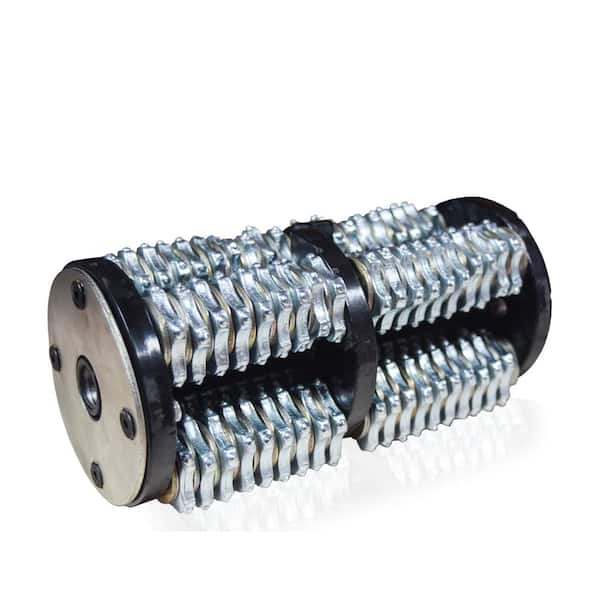

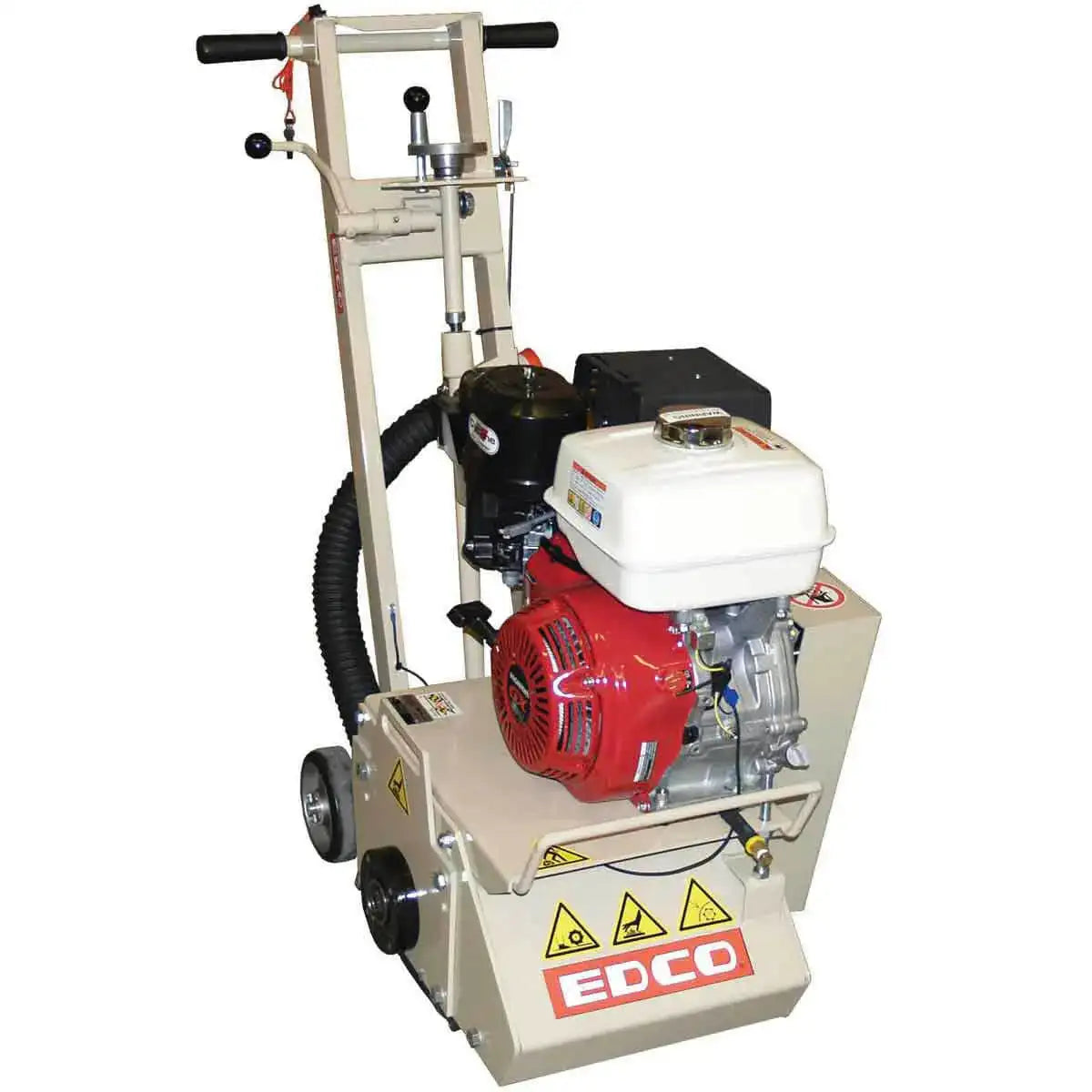
Concrete scarifying is performed using a concrete scarifier, also known as a concrete planer or milling machine. The machine features a rotating drum fitted with cutting tools that strike and chip away the concrete surface as it moves forward.
Key components include:
-
Rotating cutting drum
-
Tungsten carbide or steel cutters
-
Adjustable depth control
-
Drive motor (electric, gas, or propane)
-
Dust collection port or shroud
As the drum spins, the cutters impact the concrete, removing material quickly and evenly across the surface.
Types of Concrete Scarifiers
Walk-Behind Concrete Scarifiers
Walk-behind scarifiers are the most common machines used for scarifying concrete. They offer excellent control, adjustable cutting depth, and efficient coverage of medium to large floor areas.
Best used for:
-
Commercial floors
-
Warehouse slabs
-
Parking decks
-
Industrial surface prep
Ride-On Scarifiers
Ride-on models are used for large-scale projects requiring high productivity. These machines reduce operator fatigue and deliver consistent results across wide surfaces.
Best used for:
-
Large industrial facilities
-
Bridge decks
-
Highway and infrastructure projects
Handheld Scarifiers
Smaller handheld units are used for spot repairs and tight areas where larger machines cannot reach.
Best used for:
-
Edges and corners
-
Localized repairs
-
Small concrete patches
Cutting Tools Used in Scarifying Concrete
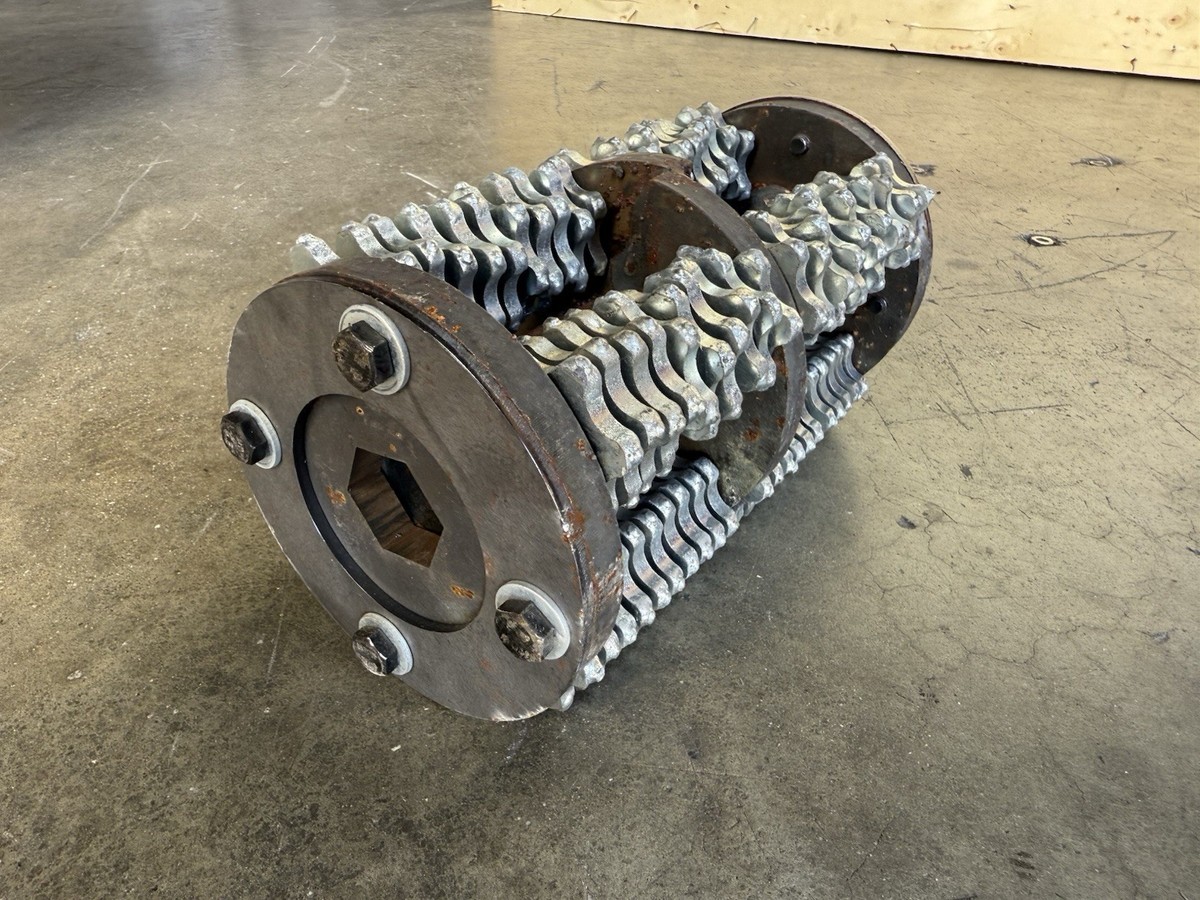

The cutting tools determine how aggressively the surface is scarified.
Steel Cutters
-
Less aggressive
-
Used on softer concrete
-
Lower cost
-
Shorter lifespan
Tungsten Carbide Cutters
-
Highly aggressive
-
Ideal for hard concrete
-
Long service life
-
Common in industrial applications
Flail Assemblies
-
Multiple cutters mounted on a drum
-
Allow flexible movement
-
Produce consistent surface texture
Selecting the right cutter type ensures efficient removal without damaging the slab.
Common Applications of Scarifying Concrete
Surface Preparation for Coatings
Scarifying creates the rough profile needed for epoxy, urethane, polyaspartic, and overlay systems to bond effectively.
Removing Coatings and Contaminants
Old paint, adhesives, waterproofing membranes, and thermoplastic markings can be removed quickly using scarifying equipment.
Leveling and Height Reduction
Scarifying is used to remove high spots, trip hazards, and uneven transitions between slabs.
Improving Slip Resistance
Grooved surfaces created by scarifying improve traction in wet or high-traffic environments.
Repair and Overlay Preparation
Scarifying exposes sound concrete and removes weak layers before patching or resurfacing.
Scarifying Concrete vs Grinding and Shot Blasting
Scarifying is one of several surface-preparation methods, each with different strengths.
Scarifying
-
Aggressive material removal
-
Deep surface texture
-
Fast on thick coatings and uneven slabs
Grinding
-
Smoother finish
-
Precise surface leveling
-
Ideal for polishing and fine prep
Shot Blasting
-
Uniform surface texture
-
Excellent for large flat areas
-
Minimal material removal
Scarifying is chosen when maximum removal speed and surface roughness are required.
Depth Control and Surface Profile
One of the advantages of scarifying concrete is adjustable cutting depth. Operators can control how much material is removed by adjusting the drum height and cutter configuration.
Typical scarifying depths range from:
-
Light texturing for coatings
-
Moderate removal for leveling
-
Aggressive milling for slab reduction
The resulting surface profile is ideal for heavy-duty bonding applications.
Dust Control and Safety
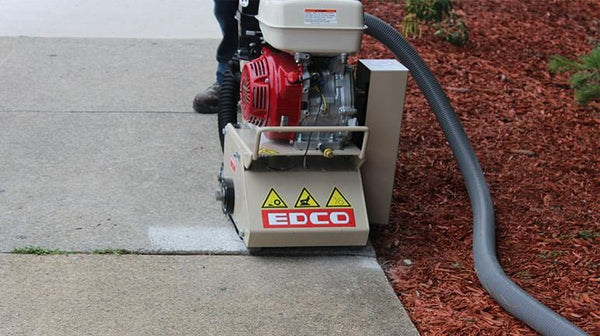
Scarifying concrete generates dust and debris, including respirable silica. Proper dust control is essential for safety and regulatory compliance.
Best practices include:
-
Using integrated dust shrouds
-
Connecting HEPA-rated vacuums
-
Wearing respirators and eye protection
-
Following OSHA silica exposure guidelines
Effective dust management protects workers and improves jobsite visibility.
Popular Concrete Scarifier Manufacturers
Several manufacturers are known for producing reliable scarifying equipment:
-
EDCO – Known for durable walk-behind scarifiers
-
Bartell Global – Heavy-duty scarifying solutions
-
Husqvarna – Industrial surface-preparation machines
-
Blastrac – Scarifiers for large-scale industrial work
-
General Equipment – Versatile scarifiers and planers
Each brand offers models designed for different job sizes and surface conditions.
Advantages of Scarifying Concrete
Scarifying concrete offers several benefits:
-
Rapid material removal
-
Adjustable surface texture
-
Effective on hard or damaged slabs
-
Ideal for heavy coatings and contaminants
-
Improves long-term bond strength
These advantages make scarifying indispensable in demanding surface-prep applications.
Limitations of Scarifying Concrete
While powerful, scarifying is not suitable for every project.
Limitations include:
-
Rough surface finish
-
Increased noise and vibration
-
Not ideal for final finish surfaces
-
Requires proper dust control
Scarifying is often followed by grinding or patching depending on project requirements.
Training and Operator Skill
Operating a concrete scarifier requires training to ensure consistent results and prevent damage to the slab.
Skilled operators understand:
-
Correct cutter selection
-
Proper depth settings
-
Overlap patterns
-
When to switch to alternative prep methods
Experience directly impacts surface quality and efficiency.
Scarifying Concrete FAQs
What is scarifying concrete used for?
Scarifying concrete is used to remove material, roughen surfaces, and prepare concrete for coatings or repairs.
How deep can concrete be scarified?
Scarifying depth varies but can range from light texturing to several millimeters or more depending on equipment and cutters.
Is scarifying better than grinding?
Scarifying is more aggressive than grinding and is better for heavy material removal and uneven surfaces.
Does scarifying damage concrete?
When done correctly, scarifying removes weak material without compromising structural integrity.
Can scarifying remove epoxy and paint?
Yes. Scarifying is highly effective at removing thick coatings and contaminants.
Is dust control required when scarifying concrete?
Yes. Scarifying generates silica dust and requires proper dust collection and PPE.
Can scarified concrete be polished?
Typically no. Scarified surfaces are too rough and require grinding before polishing.
Is scarifying suitable for indoor projects?
Yes, when proper dust control and ventilation are used.
Why Scarifying Concrete Is a Critical Surface-Prep Method
Scarifying concrete is one of the most powerful surface-preparation techniques available. Its ability to aggressively remove material, correct surface defects, and create strong bonding profiles makes it essential for commercial and industrial projects.
From coating removal and floor leveling to safety texturing and repair prep, scarifying concrete delivers speed, control, and performance that other methods cannot match—making it a cornerstone of professional concrete surface preparation.