
Sawblade
Sawblade: Complete Guide to Types, Materials, Uses, and Performance
A sawblade is one of the most important cutting components used in construction, woodworking, masonry, metal fabrication, and many industrial applications. Designed to cut through a wide range of materials, sawblades come in many shapes, sizes, and configurations depending on the job they are intended to perform.
Whether used in power saws, table saws, miter saws, concrete saws, or industrial cutting machines, the performance of the blade directly impacts the precision, speed, and safety of the cutting process. The right sawblade ensures clean cuts, reduces wear on equipment, and improves overall efficiency.
This comprehensive guide explains everything you need to know about sawblades, including the different types available, blade materials, tooth configurations, applications, and frequently asked questions.
What Is a Sawblade?
A sawblade is a cutting tool designed to slice through materials using either sharp teeth or abrasive surfaces. Most sawblades rotate at high speeds and are mounted onto power tools designed specifically for cutting operations.
Sawblades are commonly used with machines such as the circular saw, which spins the blade rapidly to cut through materials.
Depending on the blade design, sawblades can cut materials such as:
- Wood
- Concrete
- Metal
- Tile
- Plastic
- Stone
Each blade is engineered to perform efficiently on specific materials.
Types of Sawblades
There are several major categories of sawblades used across construction and manufacturing industries.
Circular Sawblades
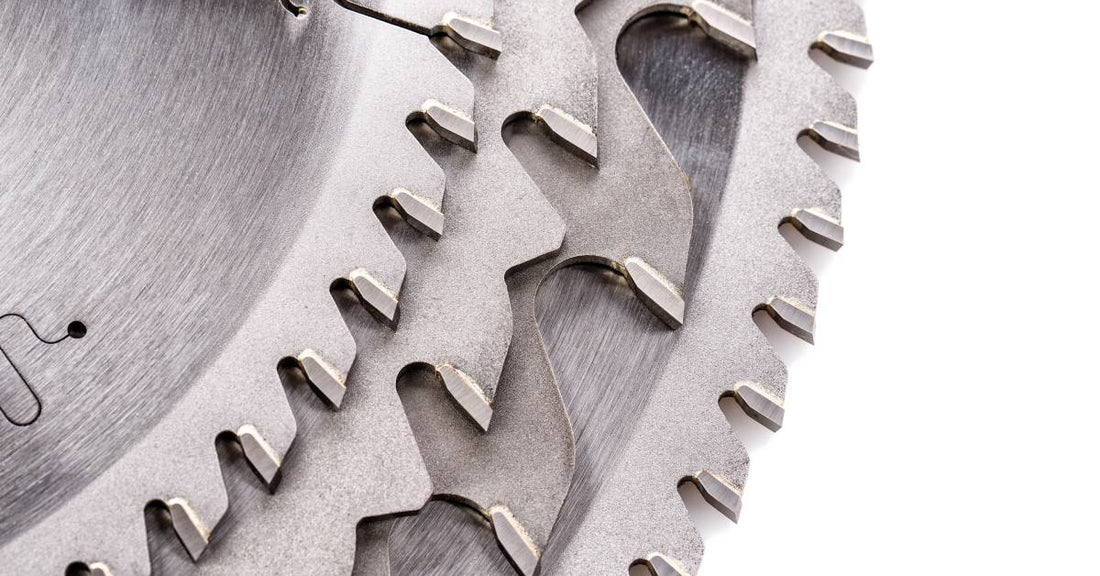
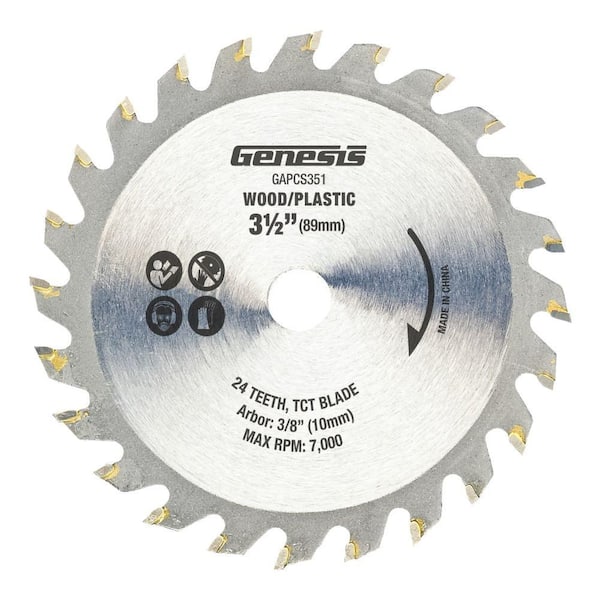
Circular sawblades are the most commonly used blades for general cutting tasks.

Characteristics
- Round disc shape
- Teeth around the outer edge
- Designed for high-speed cutting
Circular blades are widely used in woodworking, framing, and general construction.
Diamond Sawblades
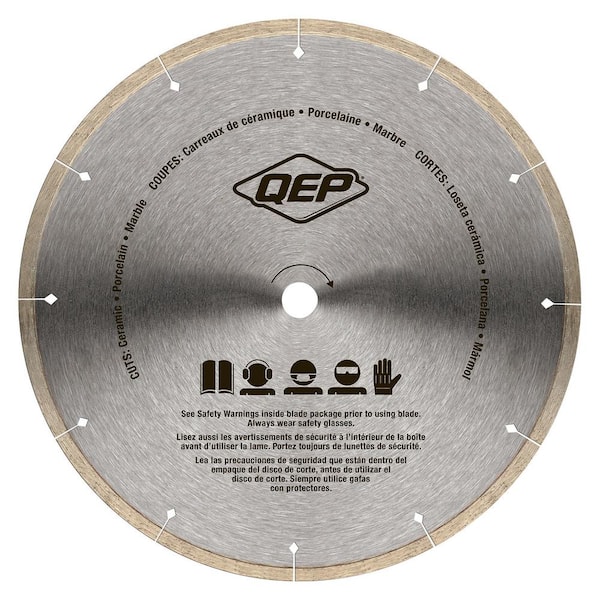
Diamond blades are designed for cutting extremely hard materials such as concrete, asphalt, and tile.


Key features
- Embedded industrial diamonds
- No traditional teeth
- Abrasive cutting method
These blades are commonly used on construction sites and masonry projects.
Band Sawblades
Band sawblades consist of a long continuous band of metal with teeth along one edge.
Uses
- Metal cutting
- Woodworking
- Curved cutting operations
Band saws allow for precision cutting and intricate shapes.
Reciprocating Sawblades
Reciprocating blades move in a back-and-forth motion rather than rotating.
Applications
- Demolition work
- Cutting pipes
- Remodeling projects
They are commonly used in construction and plumbing tasks.
Jig Sawblades
Jig sawblades are thin blades used for detailed and curved cuts.
Common uses
- Decorative woodworking
- Craft projects
- Detailed cutting work
These blades allow for precise control and intricate shapes.
Materials Used in Sawblades
The materials used to manufacture sawblades significantly affect their durability and performance.
High-Speed Steel (HSS)
High-speed steel blades are known for their heat resistance and strength.
Advantages
- Durable construction
- Good for cutting metals
- Long lifespan
Carbide-Tipped Blades
Carbide-tipped blades feature tungsten carbide tips on each tooth.
Benefits
- Extremely durable
- Maintain sharp edges longer
- Ideal for hardwood and construction materials
These blades are widely used in professional woodworking.
Diamond Blades
Diamond blades incorporate industrial-grade diamonds bonded to the cutting edge.
Benefits
- Exceptional cutting power
- Long lifespan
- Ideal for masonry and concrete
These blades are commonly used with concrete saws and tile saws.
Sawblade Tooth Configurations
Tooth design plays a major role in how a blade cuts materials.
Tooth Count
The number of teeth determines the speed and smoothness of the cut.
- Fewer teeth provide faster cutting but rougher finishes
- More teeth provide slower cuts with smoother results
Tooth Shape
Different tooth shapes serve different cutting purposes.
Common tooth designs
- Flat-top grind for ripping wood
- Alternate top bevel for crosscuts
- Triple-chip grind for hard materials
Each design improves performance for specific tasks.
Hook Angle
The hook angle describes the angle at which the tooth enters the material.
Positive hook angle
Allows faster and more aggressive cutting.
Negative hook angle
Provides smoother and safer cuts.
Choosing the Right Sawblade
Selecting the correct blade is essential for achieving the best cutting results.
Consider the Material
Different materials require different blades.
- Wood → Carbide blades
- Concrete → Diamond blades
- Metal → Steel or carbide blades
Using the wrong blade can damage both the blade and the tool.
Blade Size
The diameter of the blade must match the saw being used.
Common sizes include:
- 7-1/4 inches
- 10 inches
- 12 inches
- 14 inches
Always follow the tool manufacturer's recommended blade size.
Cutting Speed
Blades with fewer teeth cut faster but produce rougher edges.
Blades with more teeth produce smoother finishes.
Application
Different projects require different blade types.
Examples include:
- Framing
- Finish carpentry
- Concrete cutting
- Metal fabrication
Choosing the correct blade ensures better results.
Benefits of Using the Proper Sawblade
Using the correct sawblade improves both safety and performance.
Better Cutting Precision
The right blade produces clean and accurate cuts.
Increased Efficiency
Proper blades reduce resistance and allow tools to cut faster.
Longer Tool Life
Using the appropriate blade reduces stress on the power tool.
Reduced Material Waste
Accurate cuts help minimize wasted materials.
Sawblade Maintenance
Proper maintenance extends blade lifespan and maintains cutting performance.
Cleaning
Removing debris from blade teeth prevents buildup and improves cutting efficiency.
Sharpening
Some blades can be professionally sharpened to restore performance.
Storage
Blades should be stored in dry environments to prevent rust.
Inspection
Regular inspections help detect:
- Cracked blades
- Missing teeth
- Warped edges
Damaged blades should be replaced immediately.
Safety Tips for Using Sawblades
Safety should always be a top priority when operating cutting tools.
Wear Protective Equipment
Always wear safety glasses, gloves, and hearing protection.
Use Proper Techniques
Follow the manufacturer’s instructions when installing and using blades.
Secure Materials
Ensure materials are firmly secured before cutting.
Avoid Damaged Blades
Never operate a saw with a cracked or worn blade.
Applications of Sawblades
Sawblades are used in many industries and professions.
Construction
Used for cutting wood, concrete, steel, and other materials.
Woodworking
Essential for building furniture, cabinets, and decorative pieces.
Metal Fabrication
Used to cut metal components for industrial and manufacturing applications.
Masonry Work
Diamond blades cut stone, concrete, and tile.
Frequently Asked Questions
What is a sawblade used for?
A sawblade is used to cut materials such as wood, metal, concrete, and plastic.
What are the main types of sawblades?
Common types include circular blades, diamond blades, band saw blades, reciprocating blades, and jig saw blades.
How do I choose the right sawblade?
Choose based on the material being cut, blade size, tooth count, and application.
Why do sawblades have different tooth counts?
Tooth count affects cutting speed and finish quality.
How long do sawblades last?
Blade lifespan depends on material, usage, and maintenance.
Can sawblades be sharpened?
Some blades can be sharpened professionally, while others must be replaced.
What causes sawblades to dull?
Frequent use, cutting hard materials, and improper maintenance.
Are diamond blades better than regular blades?
Diamond blades are ideal for cutting hard materials like concrete and stone.
Why Sawblades Are Essential Cutting Tools
The sawblade remains one of the most important tools in construction, woodworking, and manufacturing industries. By selecting the right blade type, material, and tooth configuration, users can achieve efficient cutting, improved safety, and professional-quality results.
From precision woodworking to heavy-duty concrete cutting, sawblades continue to play a crucial role in modern construction and fabrication projects. Their versatility, durability, and efficiency make them an essential component of nearly every cutting tool used today.