
Saw to Cut Metal
by Blades AdminSaw to Cut Metal: Complete Guide to Metal Cutting Saws, Types, and Applications
A saw to cut metal is a critical tool in fabrication, construction, automotive work, manufacturing, and metalworking shops. Unlike wood-cutting saws, metal cutting saws are engineered to handle dense, hard materials while producing clean, accurate cuts with controlled heat and minimal material distortion. Choosing the right saw to cut metal directly affects cut quality, safety, productivity, and tool longevity.
This in-depth guide covers everything you need to know about metal cutting saws, including how they work, the different types available, blade options, applications, safety considerations, and answers to the most common questions.
What Is a Saw to Cut Metal?
A saw to cut metal is a powered or manual cutting tool designed specifically to cut ferrous and non-ferrous metals such as steel, aluminum, stainless steel, copper, and brass. These saws use specialized blades, controlled cutting speeds, and rigid construction to withstand the resistance and heat generated when cutting metal.
Metal cutting saws are commonly used for:
-
Structural steel and tubing
-
Sheet metal and plate
-
Pipes and conduit
-
Automotive and mechanical components
-
Fabrication and welding projects
How Metal Cutting Saws Work
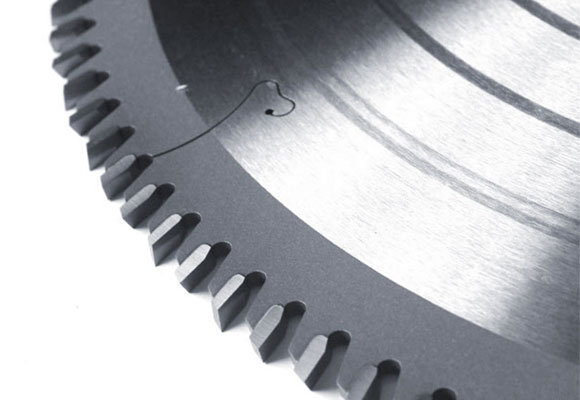
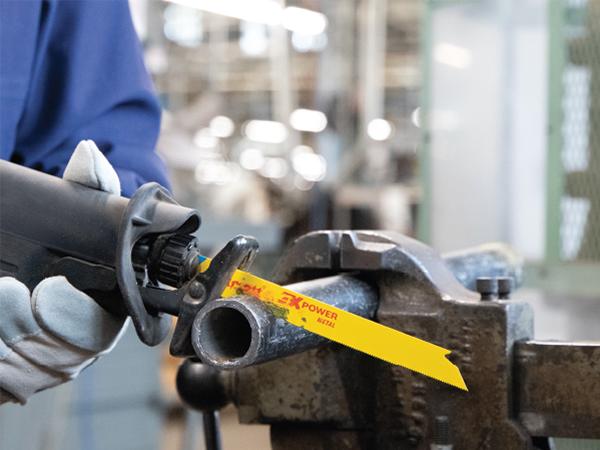
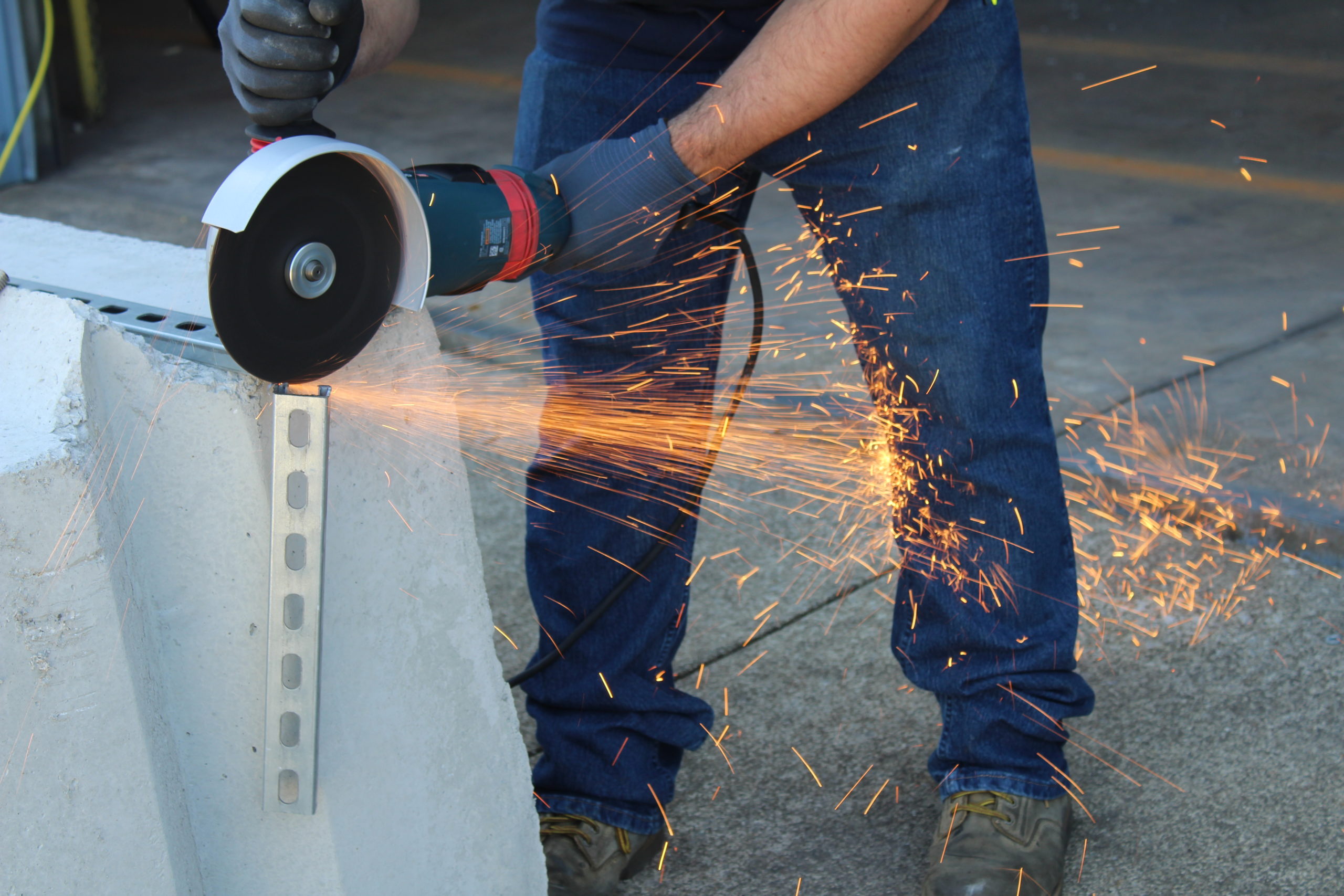
A saw to cut metal works by using a hardened blade—abrasive or toothed—to remove material through friction or shearing action. Depending on the saw type, the blade may rotate, oscillate, or move in a continuous loop.
Key factors that allow these saws to cut metal effectively include:
-
Lower blade speeds than wood saws
-
Heat-resistant blade materials
-
Rigid frames for stability
-
Controlled feed rates
These design elements prevent blade damage, overheating, and inaccurate cuts.
Types of Saws to Cut Metal
Chop Saws (Abrasive Cut-Off Saws)
Chop saws use abrasive wheels to cut metal quickly. They are widely used in construction and fabrication for cutting steel studs, angle iron, and rebar.
Advantages:
-
Fast cutting speed
-
Affordable
-
Simple operation
Limitations:
-
Generates sparks and heat
-
Rougher cut edges
-
More material loss
Cold Cut Saws
Cold cut saws use carbide-tipped blades that cut metal with minimal heat generation. The blade rotates at lower speeds, producing clean, burr-free cuts.
Advantages:
-
Cool cutting process
-
Clean, precise cuts
-
Longer blade life
Cold cut saws are popular in fabrication shops and professional environments.
Band Saws for Metal
Metal-cutting band saws use a continuous toothed blade that moves around two wheels. They are ideal for straight and angled cuts on thick metal stock.
Advantages:
-
Excellent accuracy
-
Minimal sparks
-
Suitable for thick materials
They are commonly used in machine shops and industrial settings.
Circular Saws for Metal
Handheld and stationary circular saws fitted with metal-cutting blades offer portability and versatility. These saws are often used on job sites.
Advantages:
-
Portable and lightweight
-
Clean cuts with the right blade
-
Suitable for aluminum and steel
Horizontal and Vertical Metal Saws
These industrial saws are designed for high-volume cutting and precision work. They are often automated for production environments.
Choosing the Right Blade for Cutting Metal
The blade is just as important as the saw itself.
Abrasive Blades
-
Best for carbon steel and rebar
-
Inexpensive
-
Wear down quickly
Carbide-Tipped Blades
-
Ideal for steel, stainless steel, and aluminum
-
Longer lifespan
-
Cleaner cuts
Bi-Metal Blades
-
Common in band saws
-
Flexible and durable
-
Suitable for thick and hardened metals
Blade selection depends on material type, thickness, and desired cut quality.
Common Materials a Metal Cutting Saw Can Handle
A quality saw to cut metal can be used on a wide range of materials, including:
-
Mild steel
-
Stainless steel
-
Aluminum
-
Cast iron
-
Copper and brass
-
Galvanized steel
Always verify blade compatibility before cutting specialized alloys.
Popular Brands for Metal Cutting Saws
Several manufacturers are known for producing reliable metal cutting saws used by professionals:
-
DeWalt – Widely used chop saws and metal circular saws
-
Milwaukee – Heavy-duty cordless and corded metal saws
-
Makita – Precision-focused metal cutting solutions
-
Evolution Power Tools – Known for cold cut saw technology
-
Bosch – Professional-grade metal saws and blades
Each brand offers different models designed for jobsite, shop, or industrial use.
Applications of a Saw to Cut Metal
Metal cutting saws are used across many industries:
Construction
Cutting steel studs, conduit, angle iron, and rebar.
Fabrication and Welding
Preparing precise metal joints for welding and assembly.
Automotive Repair
Cutting exhaust pipes, brackets, and chassis components.
Manufacturing
High-volume, repeatable cuts for production environments.
DIY and Home Workshops
Projects involving aluminum, steel tubing, or custom builds.
Safety Considerations When Cutting Metal
Cutting metal involves sparks, sharp edges, and heat, making safety essential.
Important safety practices include:
-
Wearing eye protection and face shields
-
Using gloves rated for metalwork
-
Wearing hearing protection
-
Securing material with clamps or vises
-
Allowing metal to cool before handling
Proper blade guards and stable work surfaces are critical for safe operation.
Maintenance and Care of Metal Cutting Saws
Regular maintenance improves performance and extends tool life.
Maintenance tips:
-
Inspect blades for wear or damage
-
Keep cutting surfaces clean
-
Lubricate moving parts when required
-
Replace worn belts or bearings
-
Store blades properly to prevent damage
Clean blades cut faster and reduce strain on the motor.
Saw to Cut Metal vs Other Cutting Methods
Compared to grinders or torches, metal cutting saws offer:
-
Greater accuracy
-
Cleaner edges
-
Reduced heat distortion
-
Better repeatability
While torches and grinders have their place, a dedicated saw to cut metal delivers superior results for most precision applications.
FAQs About Saws to Cut Metal
What is the best saw to cut metal?
The best saw depends on the application. Cold cut saws and band saws offer clean, precise cuts, while chop saws provide fast cutting for construction work.
Can a circular saw cut metal?
Yes, when equipped with a metal-cutting blade designed for steel or aluminum.
What blade should I use to cut steel?
Carbide-tipped or abrasive blades are commonly used for steel, depending on cut quality requirements.
Is a cold cut saw better than a chop saw?
Cold cut saws produce cleaner cuts with less heat, while chop saws are faster and more affordable.
Can metal cutting saws cut aluminum?
Yes. Many metal cutting saws are ideal for aluminum when paired with the correct blade.
Do metal cutting saws produce sparks?
Abrasive saws produce sparks, while cold cut and band saws generate minimal sparks.
How thick of metal can a saw cut?
This depends on the saw type and blade, ranging from thin sheet metal to several inches thick.
Are metal cutting saws safe for beginners?
Yes, with proper training, safety equipment, and correct blade selection.
Why Choosing the Right Saw to Cut Metal Matters
A saw to cut metal is more than just a cutting tool—it is a precision instrument that directly affects efficiency, safety, and final results. Using the correct saw and blade combination ensures clean cuts, reduces material waste, and improves overall productivity.
Whether you are cutting steel on a job site, fabricating custom components in a shop, or working on home projects, investing in the right metal cutting saw delivers consistent performance and professional-quality results across every application.