
Saw Blade 10

Saw Blade 10: Complete Guide to 10-Inch Saw Blades for Woodworking, Construction, and Precision Cutting
A Saw Blade 10, commonly referred to as a 10-inch saw blade, is one of the most widely used cutting tools in woodworking, construction, and fabrication industries. These blades are designed to deliver precise, efficient cuts across a wide variety of materials, including wood, plywood, laminate, plastics, and certain metals. The 10-inch diameter is considered a standard size for many professional and consumer cutting tools, making it one of the most versatile blade options available.
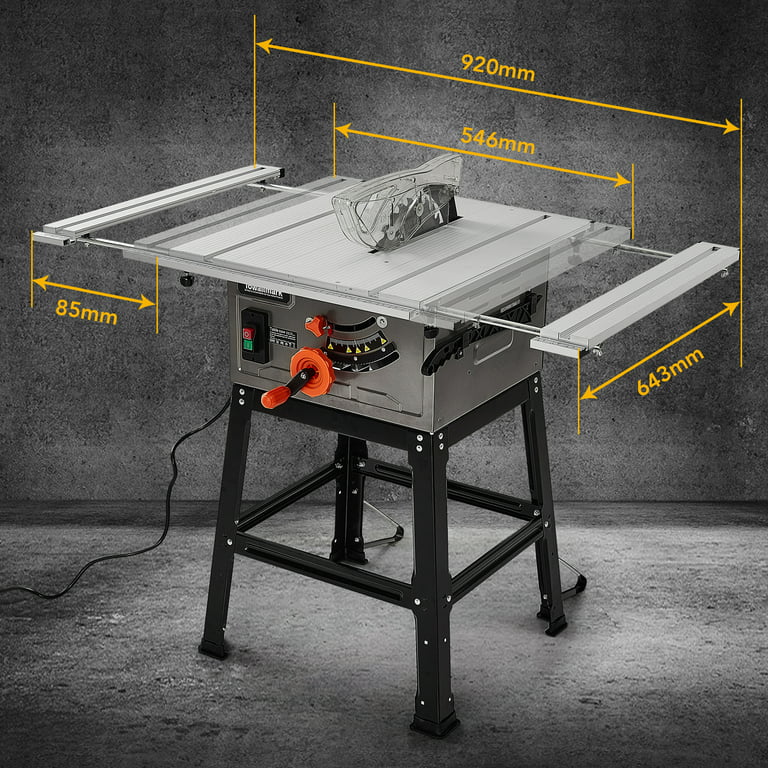
Professionals and DIY users rely on 10-inch saw blades because they provide an ideal balance between cutting depth, accuracy, and durability. They are commonly used with equipment such as the table saw, miter saws, and some radial arm saws.
This detailed guide explores everything you need to know about 10-inch saw blades, including blade types, tooth configurations, materials, applications, and frequently asked questions.
What Is a 10-Inch Saw Blade?
A 10-inch saw blade is a circular cutting blade with a diameter of approximately 10 inches. The blade is mounted onto a saw and rotates at high speed to cut through materials.
The size of the blade determines the cutting depth and compatibility with specific saw machines. Because of their balance between power and precision, 10-inch blades are among the most commonly used sizes in woodworking and construction.
Typical applications include:
- Cutting lumber
- Crosscutting boards
- Rip cutting wood
- Cutting plywood and sheet materials
These blades are engineered to provide clean cuts and reliable performance across a range of cutting tasks.
Why 10-Inch Saw Blades Are Popular
The popularity of 10-inch saw blades comes from their versatility and compatibility with widely used saws.
Standard Industry Size
Many professional and residential woodworking machines are designed to use 10-inch blades.
This makes the blade size widely available and easy to replace.
Balanced Cutting Performance
A 10-inch blade offers an ideal balance between cutting depth and precision.
It is large enough to cut thick materials while maintaining control and accuracy.
Wide Range of Blade Options
Manufacturers produce many variations of 10-inch blades designed for different materials and cutting styles.
Types of 10-Inch Saw Blades
Different blade types are designed for specific cutting applications.
Rip Cutting Blades
Rip blades are designed to cut wood along the grain.
Features
- Fewer teeth
- Large gullets for chip removal
- Fast cutting speed
These blades are commonly used in lumber processing and woodworking shops.
Crosscut Blades
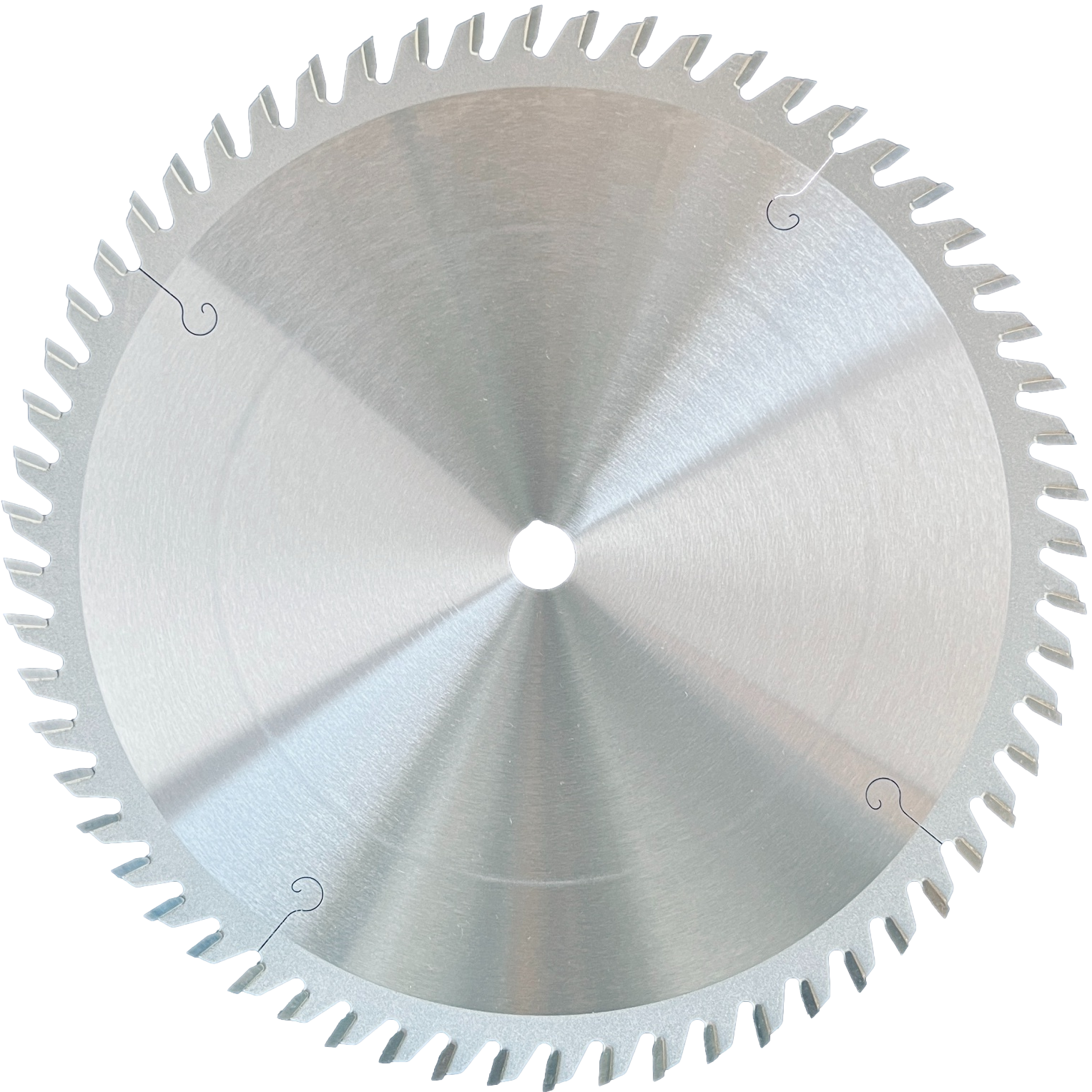
Crosscut blades are designed to cut wood across the grain.
Characteristics
- Higher tooth count
- Cleaner and smoother cuts
- Reduced splintering
These blades are ideal for finish carpentry.
Combination Blades
Combination blades are designed for both ripping and crosscutting.
Advantages
- Versatility
- Suitable for general-purpose cutting
- Reduced need to change blades frequently
These blades are popular among hobbyists and contractors.
Finishing Blades
Finishing blades have very high tooth counts and produce extremely smooth cuts.
Uses
- Cabinetmaking
- Trim work
- Fine woodworking
They are ideal for precision projects.
Materials Used in 10-Inch Saw Blades
The materials used in blade construction determine durability and cutting efficiency.
High-Speed Steel (HSS)
HSS blades are strong and heat-resistant.
Advantages
- Durable cutting edge
- Suitable for cutting soft metals and wood
Carbide-Tipped Blades
Carbide-tipped blades are among the most popular options.
Benefits
- Longer lifespan
- Maintain sharp edges longer
- Ideal for hardwood and construction materials
Tungsten carbide tips provide exceptional durability.
Diamond-Tipped Blades
Diamond blades are used for cutting extremely hard materials.
These blades are commonly used in masonry applications rather than woodworking.
Saw Blade Tooth Configurations
Tooth design affects cutting performance and finish quality.
Tooth Count
The number of teeth determines the cutting style.
Low tooth count (24–30 teeth)
- Faster cutting
- Rougher finish
Medium tooth count (40–50 teeth)
- Balanced performance
High tooth count (60–100 teeth)
- Smooth and precise cuts
Tooth Shape
Different tooth shapes provide different cutting advantages.
Flat Top Grind (FTG)
Ideal for ripping wood quickly.
Alternate Top Bevel (ATB)
Provides cleaner crosscuts.
Triple Chip Grind (TCG)
Used for cutting hard materials such as laminate.
Hook Angle
The hook angle describes how aggressively the blade cuts.
Positive hook angle
Faster cutting speed.
Negative hook angle
Smoother, controlled cuts.
Applications of 10-Inch Saw Blades
10-inch saw blades are used across many industries.
Woodworking
Woodworkers use these blades to create furniture, cabinets, and decorative pieces.
Construction
Contractors rely on 10-inch blades to cut framing lumber and building materials.
Carpentry
Precision cuts are essential for trim and finishing work.
Home Improvement Projects
DIY enthusiasts use 10-inch blades for many home projects.
Choosing the Right 10-Inch Saw Blade
Selecting the right blade ensures optimal cutting performance.
Material Being Cut
Different blades are designed for specific materials.
Examples include:
- Hardwood blades
- Plywood blades
- Laminate blades
Desired Finish
Choose blades with higher tooth counts for smoother finishes.
Cutting Speed
Lower tooth counts provide faster cuts but rougher edges.
Blade Compatibility
Ensure the blade fits the saw’s arbor size and speed rating.
Maintenance of 10-Inch Saw Blades
Proper maintenance extends blade life and improves cutting performance.
Cleaning
Removing resin and debris helps maintain cutting efficiency.
Sharpening
Carbide blades can often be professionally sharpened.
Proper Storage
Store blades in dry environments to prevent corrosion.
Inspection
Regularly check blades for:
- Dull teeth
- Warping
- Cracks
Damaged blades should be replaced immediately.
Safety Tips When Using Saw Blades
Safety is critical when working with cutting equipment.
Wear Protective Equipment
Always wear safety glasses, gloves, and hearing protection.
Follow Manufacturer Instructions
Install blades according to the tool’s guidelines.
Secure Materials
Ensure materials are firmly secured before cutting.
Avoid Damaged Blades
Never operate a saw with a cracked or damaged blade.
Frequently Asked Questions
What is a 10-inch saw blade used for?
It is commonly used for cutting wood, plywood, and other materials in woodworking and construction.
What saws use 10-inch blades?
Table saws, miter saws, and radial arm saws often use 10-inch blades.
What tooth count is best for a 10-inch saw blade?
It depends on the application. Lower tooth counts cut faster, while higher counts produce smoother finishes.
Can a 10-inch blade cut hardwood?
Yes. Carbide-tipped blades are ideal for hardwood cutting.
How deep can a 10-inch saw blade cut?
Cutting depth depends on the saw but is typically around 3 inches.
How long do 10-inch saw blades last?
Blade life depends on the material being cut and maintenance practices.
Can a 10-inch blade cut metal?
Some specialized blades can cut metal, but most are designed for wood.
Can 10-inch blades be sharpened?
Carbide-tipped blades can often be professionally sharpened.
Why 10-Inch Saw Blades Are Essential Cutting Tools
The Saw Blade 10 remains one of the most versatile and widely used cutting tools in woodworking and construction. Its ability to deliver precision, durability, and efficiency makes it an essential component for professionals and hobbyists alike.
With the right blade selection, proper maintenance, and safe operation, a 10-inch saw blade can deliver accurate cuts and long-lasting performance across countless projects. Whether used in a professional workshop or on a construction job site, these blades continue to be a fundamental tool for achieving reliable cutting results.