
Metal Cutting Chop Saw Blades
by Blades AdminMetal Cutting Chop Saw Blades: Types, Materials, Performance, and Buying Guide
Metal cutting chop saw blades are purpose-built cutting wheels and blades designed to slice through steel, aluminum, stainless steel, and other metals with speed, accuracy, and safety. Whether used in fabrication shops, construction sites, automotive work, or home workshops, the right chop saw blade directly affects cut quality, productivity, blade life, and operator safety.
This in-depth guide explains what metal cutting chop saw blades are, the different blade types available, how they work, what materials they cut, how to choose the right blade, safety considerations, and answers to the most frequently asked questions.
What Are Metal Cutting Chop Saw Blades?
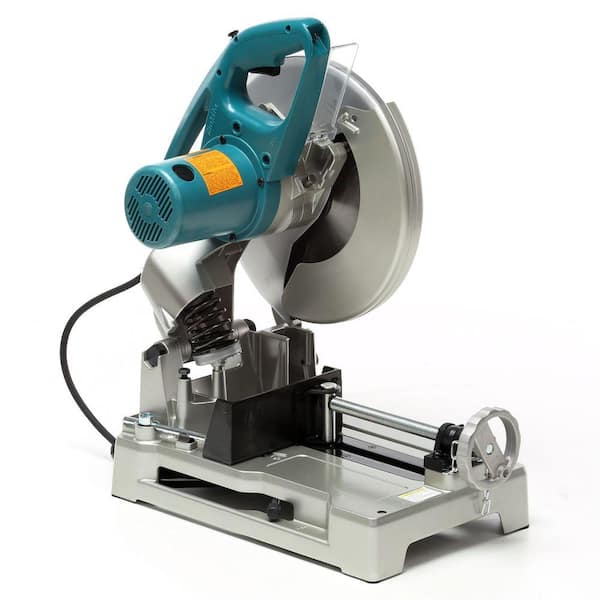
Metal cutting chop saw blades are circular cutting attachments designed for use on chop saws (also known as cut-off saws). These blades are engineered to withstand high rotational speeds and extreme friction while cutting hard metals cleanly and efficiently.
Unlike wood-cutting blades, metal cutting chop saw blades are made from abrasive materials or hardened carbide teeth, allowing them to cut dense materials without shattering or dulling immediately.
They are commonly used to cut:
-
Steel tubing and pipe
-
Angle iron and channel
-
Rebar
-
Sheet metal and plate
-
Aluminum and non-ferrous metals
How Metal Cutting Chop Saw Blades Work
Metal cutting chop saw blades work in one of two primary ways: abrasion or tooth cutting.
Abrasive Cutting
Abrasive blades grind through metal using friction. As the blade spins, it wears away both the metal and the blade itself.
Tooth Cutting (Carbide Blades)
Carbide-tipped blades cut metal using hardened teeth that shear material away, similar to how a saw cuts wood—only at lower speeds and with reinforced construction.
Each cutting method has specific advantages depending on the application.
Types of Metal Cutting Chop Saw Blades
Abrasive Chop Saw Blades
Abrasive blades are the most common and affordable option.
Key characteristics:
-
Made from bonded abrasive grains
-
Cut by grinding through metal
-
Produce sparks and heat
-
Blade diameter shrinks as it wears
Best used for:
-
Carbon steel
-
Rebar
-
Structural steel
-
Jobsite cutting where speed matters
Abrasive blades are widely used in construction and fabrication due to their low upfront cost.
Carbide-Tipped Metal Chop Saw Blades
Carbide blades use hardened teeth brazed onto a steel body.
Key characteristics:
-
Cut metal with minimal heat
-
Produce fewer sparks
-
Deliver cleaner, burr-free cuts
-
Longer lifespan compared to abrasive blades
Best used for:
-
Steel tubing
-
Aluminum
-
Stainless steel
-
Precision fabrication
These blades are often used with cold cut chop saws designed for lower RPM operation.
Materials Metal Cutting Chop Saw Blades Can Cut
Metal cutting chop saw blades are engineered for specific materials.
Steel
Most blades are optimized for mild steel, angle iron, square tubing, and round pipe.
Stainless Steel
Requires higher-quality abrasive blends or carbide blades designed to resist heat buildup.
Aluminum and Non-Ferrous Metals
Carbide-tipped blades are preferred, as abrasive blades load up quickly when cutting aluminum.
Cast Iron
Specialty abrasive blades or carbide blades designed for brittle materials are recommended.
Always match the blade to the material for safety and performance.
Blade Size and Arbor Compatibility
Metal cutting chop saw blades are available in multiple sizes.
Common blade diameters:
-
12-inch
-
14-inch
-
15-inch
Common arbor sizes:
-
1 inch
-
7/8 inch
Using the correct blade size and arbor ensures proper balance, cutting depth, and safe operation.
Cutting Speed and RPM Ratings
Each blade is rated for a maximum RPM. Exceeding this limit can cause blade failure.
Abrasive blades are typically rated for high RPMs, while carbide blades require lower RPM chop saws specifically designed for cold cutting.
Always verify:
-
Saw RPM rating
-
Blade maximum RPM
-
Manufacturer recommendations
Cut Quality and Finish

The type of blade directly impacts cut quality.
Abrasive blade cuts:
-
Rougher edges
-
Heat discoloration
-
Burrs requiring cleanup
Carbide blade cuts:
-
Smooth edges
-
Minimal burrs
-
Little to no heat distortion
For fabrication and welding prep, cleaner cuts save time and improve accuracy.
Blade Longevity and Cost Efficiency
While abrasive blades are cheaper upfront, they wear down quickly and require frequent replacement.
Carbide blades:
-
Cost more initially
-
Last significantly longer
-
Reduce material waste
-
Increase productivity
Over time, carbide blades often provide better value for high-volume cutting.
Safety Considerations When Using Metal Cutting Chop Saw Blades
Metal cutting produces sparks, heat, and sharp edges, making safety essential.
Important safety practices include:
-
Wearing eye and face protection
-
Using gloves rated for metalwork
-
Wearing hearing protection
-
Securing material firmly before cutting
-
Allowing metal to cool before handling
Never use damaged or expired blades, and always install blades according to manufacturer instructions.
Popular Manufacturers of Metal Cutting Chop Saw Blades
Several manufacturers are trusted for high-quality metal cutting chop saw blades:
-
DeWalt – Widely used abrasive and carbide metal blades
-
Milwaukee – Known for durable metal-cutting solutions
-
Diablo – Premium carbide-tipped metal blades
-
Makita – Precision-focused metal cutting blades
-
Norton – Industry leader in abrasive cut-off wheels
Each brand offers blades designed for different materials, saw speeds, and workloads.
Choosing the Right Metal Cutting Chop Saw Blade
When selecting a blade, consider:
-
Type of metal being cut
-
Chop saw RPM and design
-
Desired cut quality
-
Volume of cutting
-
Budget and long-term cost
Matching the blade to the application improves safety, efficiency, and finish quality.
Maintenance and Storage
Proper care extends blade life and performance.
Best practices include:
-
Storing blades flat and dry
-
Avoiding impacts or drops
-
Inspecting for cracks or worn teeth
-
Replacing blades when cutting performance declines
Carbide blades should be cleaned periodically to prevent material buildup.
Metal Cutting Chop Saw Blades vs Other Metal Cutting Tools
Compared to grinders or torches, chop saw blades offer:
-
Straighter, more accurate cuts
-
Faster repeatability
-
Reduced material distortion
-
Safer, more controlled operation
For straight cuts and production work, chop saw blades are the preferred solution.
Metal Cutting Chop Saw Blades FAQs
What are metal cutting chop saw blades used for?
They are used to cut steel, aluminum, stainless steel, and other metals using a chop saw.
What is the difference between abrasive and carbide chop saw blades?
Abrasive blades grind through metal, while carbide blades cut using hardened teeth for cleaner results.
Can carbide chop saw blades cut steel?
Yes. Carbide blades are excellent for cutting steel with clean, precise edges.
Do metal cutting chop saw blades produce sparks?
Abrasive blades produce sparks, while carbide blades generate significantly fewer sparks.
How long do metal cutting chop saw blades last?
Abrasive blades wear down quickly, while carbide blades can last many times longer.
Can I cut aluminum with an abrasive chop saw blade?
It is not recommended. Carbide blades are safer and more effective for aluminum.
What size blade does a chop saw use?
Most chop saws use 12-inch or 14-inch blades, depending on the model.
Are metal cutting chop saw blades safe for beginners?
Yes, when used correctly with proper safety gear and compatible equipment.
Why Metal Cutting Chop Saw Blades Matter
Metal cutting chop saw blades are more than consumables—they are precision tools that define cut quality, productivity, and safety. Choosing the right blade ensures faster work, cleaner results, and less material waste across fabrication, construction, and workshop environments.
Whether cutting structural steel on a job site or fabricating precise components in a shop, the right metal cutting chop saw blade delivers consistent, professional results with every cut.