
Hand Held Core Drill
Hand Held Core Drill: Complete Guide to Concrete Drilling, Applications, and Best Practices
From installing plumbing penetrations and electrical conduits to anchoring systems and retrofit work, a hand held core drill delivers accuracy, control, and efficiency in situations where space, speed, and mobility matter most.
What Is a Hand Held Core Drill?
A hand held core drill is a compact drilling machine that uses a diamond-tipped core bit to bore cylindrical holes through hard construction materials. Unlike hammer drills that fracture material, core drills cut through concrete, producing smooth holes with minimal vibration and structural stress.
Handheld models are designed to be:
-
Portable and lightweight
-
Operated without a drill stand (in many cases)
-
Used in vertical, horizontal, or overhead positions
-
Suitable for wet or dry drilling depending on setup
They are ideal for jobs where mounting a full core rig is impractical.
How a Hand Held Core Drill Works
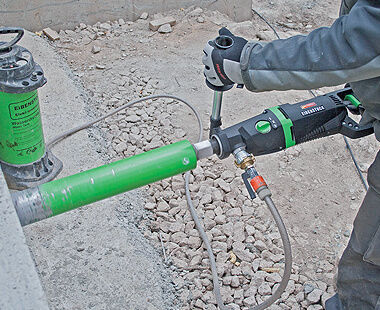
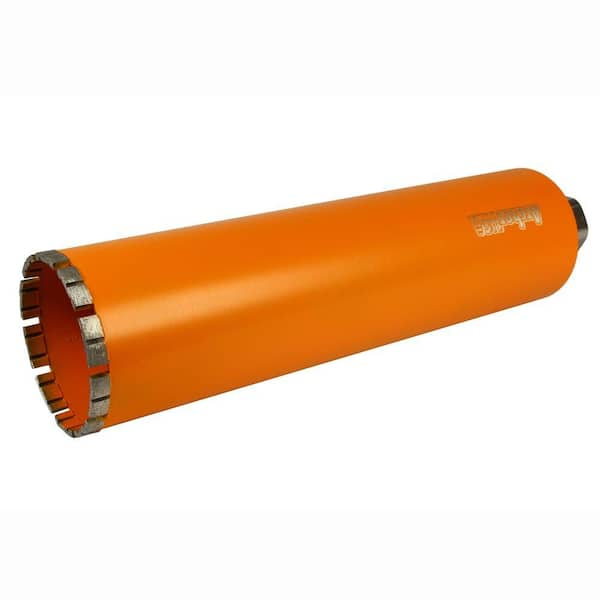
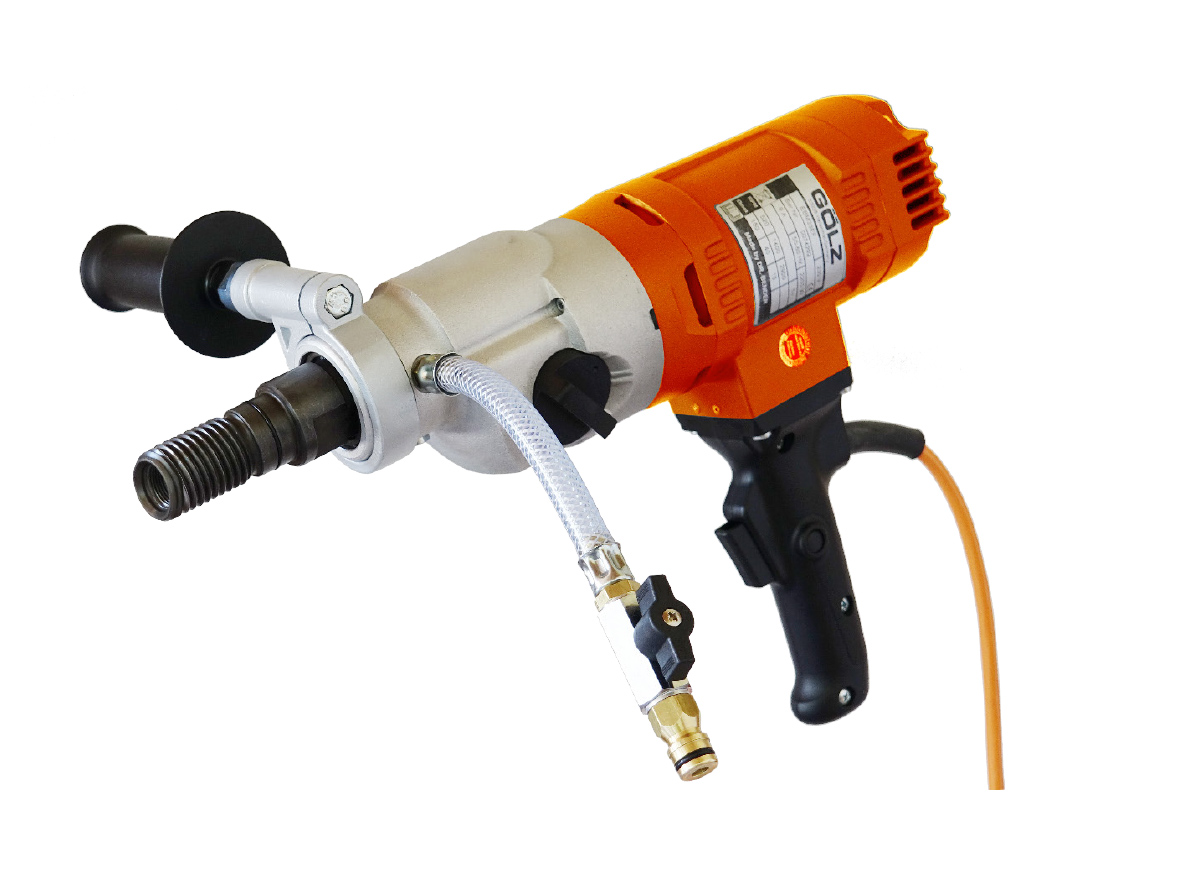
A hand held core drill operates by rotating a diamond core bit at controlled speeds. The diamond segments grind through concrete and aggregate rather than impacting it.
Key components include:
-
High-torque electric or hydraulic motor
-
Diamond core bit
-
Water feed (for wet drilling models)
-
Clutch and overload protection
-
Side handles or support grips
During operation, the operator applies steady pressure while the rotating bit cuts cleanly through the material.
Hand Held Core Drill vs Rig-Mounted Core Drill
Hand held core drills and rig-mounted drills serve different purposes.
Hand held core drill advantages:
-
Faster setup
-
Greater mobility
-
Easier use in tight or elevated spaces
-
Ideal for small to medium diameter holes
Rig-mounted drill advantages:
-
Better for large diameter or deep holes
-
Increased stability for precision work
-
Reduced operator fatigue on long runs
Hand held core drills are preferred for service work, retrofits, and fast-paced job sites.
Common Applications of Hand Held Core Drills
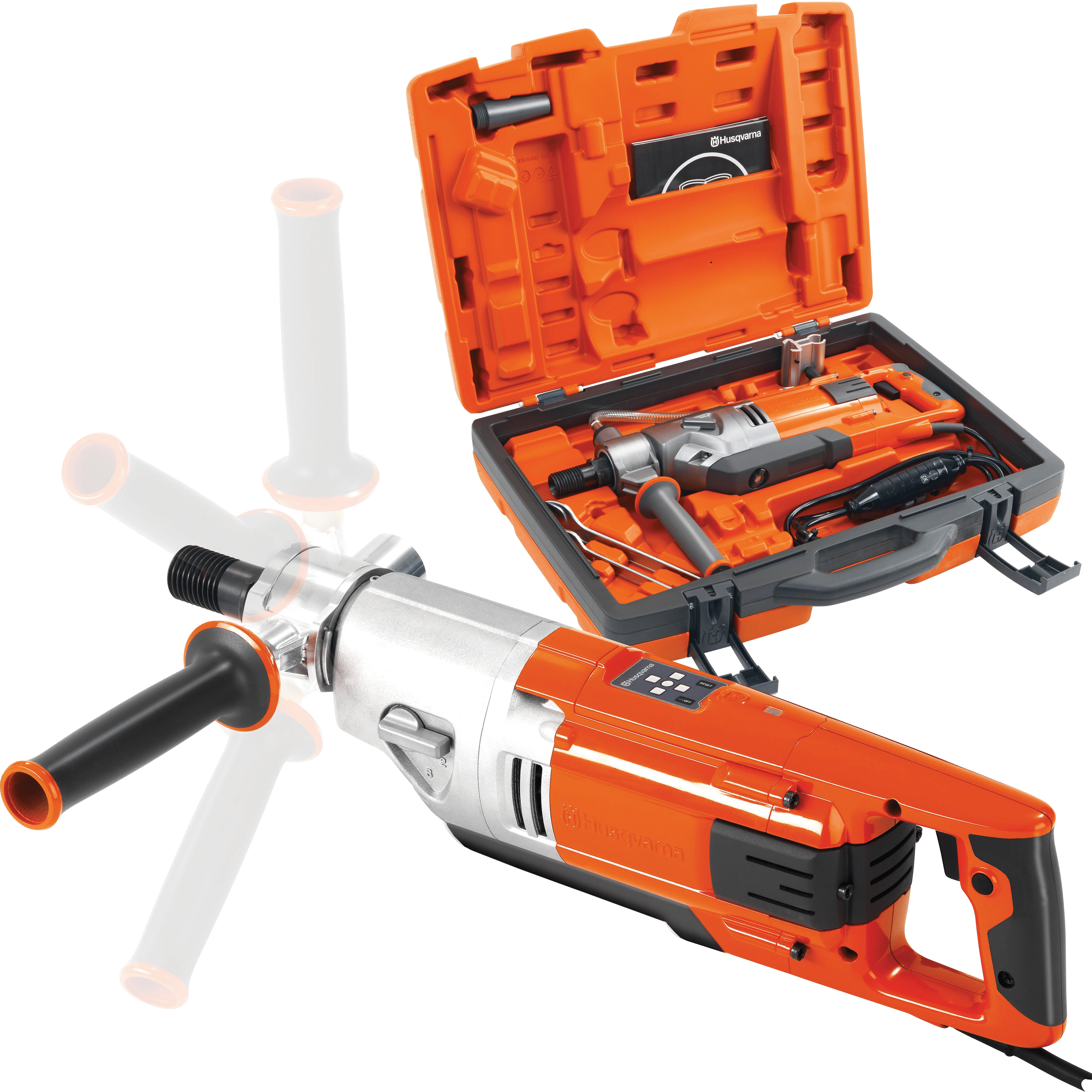


Hand held core drills are used across many trades.
Plumbing and Mechanical
-
Pipe penetrations
-
Drain and vent openings
-
Retrofit plumbing lines
Electrical and Low Voltage
-
Conduit installation
-
Cable and data routing
-
Panel and equipment access holes
HVAC
-
Refrigerant line penetrations
-
Condensate drains
-
Ventilation openings
Construction and Remodeling
-
Anchor holes
-
Retrofit structural work
-
Masonry and block wall drilling
Their clean cutting action makes them safe for structural concrete when used correctly.
Materials a Hand Held Core Drill Can Cut
Hand held core drills are engineered for hard construction materials.
Common materials include:
-
Reinforced concrete
-
Brick and block
-
Natural stone
-
Asphalt
-
Masonry and precast panels
With the correct diamond bit, handheld core drills cut through rebar cleanly without damaging surrounding material.
Wet Drilling vs Dry Drilling
Wet Drilling
Most hand held core drills are designed for wet drilling, which uses water to:
-
Cool the diamond segments
-
Reduce dust
-
Extend bit life
-
Improve cutting speed
Wet drilling is preferred for concrete and reinforced materials.
Dry Drilling
Some models support dry drilling with vacuum attachments and dust extraction systems. Dry drilling is typically used for masonry and indoor applications where water use is restricted.
Core Bit Sizes and Capabilities
Hand held core drills typically support smaller diameters than rig-mounted drills.
Common hole sizes include:
-
1 inch to 4 inches (most common)
-
Up to 6 inches on high-torque models
Depth capacity depends on bit length and material thickness. Extensions can be used for deeper holes when necessary.
Power Options for Hand Held Core Drills
Electric Hand Held Core Drills
Electric models are the most common and are suitable for most job sites.
Advantages:
-
Consistent power
-
Lower maintenance
-
Ideal for indoor and commercial work
Hydraulic Hand Held Core Drills
Hydraulic models are used in heavy-duty or hazardous environments.
Advantages:
-
High torque
-
Spark-free operation
-
Ideal for industrial or utility work
Power choice depends on jobsite conditions and safety requirements.
Key Features to Look For
When selecting a hand held core drill, several features impact performance and safety.
Overload Protection
Clutches and electronic protection prevent kickback when the bit binds.
Variable Speed Control
Allows matching RPM to bit size and material hardness.
Ergonomic Handles
Side handles and grips improve control and reduce fatigue.
Water Connection System
Quick-connect water feeds simplify wet drilling setups.
Compact Design
Improves access in tight spaces and overhead drilling.
Popular Hand Held Core Drill Manufacturers
Several manufacturers are known for producing reliable hand held core drills:
-
Husqvarna – Industry leader in diamond drilling solutions
-
Hilti – Known for high-performance professional drills
-
Milwaukee – Durable and jobsite-ready core drilling tools
-
Bosch – Precision-engineered drilling equipment
-
Makita – Reliable compact core drill systems
These brands offer models with varying power levels, safety features, and bit compatibility.
Safety Considerations When Using a Hand Held Core Drill
Core drilling involves high torque and rotating mass, making safety critical.
Best safety practices include:
-
Using proper PPE (eye, ear, and hand protection)
-
Ensuring stable footing and body position
-
Using side handles at all times
-
Securing water supply connections
-
Avoiding overhead drilling without proper support
Never force the drill—let the diamond bit do the work.
Maintenance and Bit Care
Proper maintenance improves performance and extends tool life.
Maintenance tips:
-
Clean water lines after use
-
Inspect cords and switches
-
Check clutch operation regularly
-
Store bits dry to prevent corrosion
Diamond core bits should be dressed periodically to expose fresh diamonds and maintain cutting speed.
Hand Held Core Drill vs Hammer Drill
While hammer drills are useful for small anchor holes, they cannot replace a core drill.
Hand held core drill advantages:
-
Clean, precise holes
-
No micro-cracking
-
Minimal vibration
-
Ability to cut rebar
-
Better structural integrity
For penetrations larger than anchor bolts, a core drill is the correct tool.
Productivity and Jobsite Efficiency
Hand held core drills significantly reduce drilling time compared to manual or impact-based methods. Faster drilling, cleaner results, and reduced cleanup improve overall job efficiency and professionalism.
They are especially valuable in occupied buildings where noise, dust, and vibration must be minimized.
Hand Held Core Drill FAQs
What is a hand held core drill used for?
It is used to drill clean, round holes through concrete, masonry, and stone.
Can a hand held core drill cut reinforced concrete?
Yes. With diamond core bits, it cuts through concrete and rebar smoothly.
Is wet drilling required?
Wet drilling is recommended for concrete, but some models support dry drilling for masonry.
How big of a hole can a hand held core drill make?
Most handheld models handle up to 4–6 inches depending on power.
Are hand held core drills safe to use?
Yes, when used with proper technique and safety features like clutches.
Do I need a stand for a hand held core drill?
No. Handheld drills are designed to operate without a stand for smaller holes.
Can I use a hand held core drill overhead?
Yes, but proper support, technique, and safety precautions are essential.
How long do diamond core bits last?
Bit life depends on material, technique, and cooling, but proper use greatly extends lifespan.
Why a Hand Held Core Drill Is an Essential Jobsite Tool
A hand held core drill offers the perfect balance between precision and portability. Its ability to cut clean holes through concrete and masonry without damaging surrounding material makes it indispensable across construction, mechanical, and electrical trades.
For professionals who need speed, accuracy, and flexibility on demanding jobsites, a hand held core drill delivers consistent, high-quality results—making it one of the most valuable tools in modern concrete drilling applications.