
Flush Cut Concrete Saw
Flush Cut Concrete Saw: Precision Cutting for Tight Spaces and Clean Finishes
A flush cut concrete saw is a specialized cutting tool designed to cut concrete surfaces flush against walls, floors, curbs, slabs, and other fixed structures where standard concrete saws cannot reach. Used extensively in demolition, remodeling, plumbing, electrical, masonry, and concrete repair, flush cut concrete saws deliver clean, precise cuts without damaging adjacent surfaces.
From removing concrete pads and door thresholds to trimming walls and slabs level with existing structures, flush cut concrete saws are essential for professional-grade results in confined or detail-sensitive applications.
What Is a Flush Cut Concrete Saw?
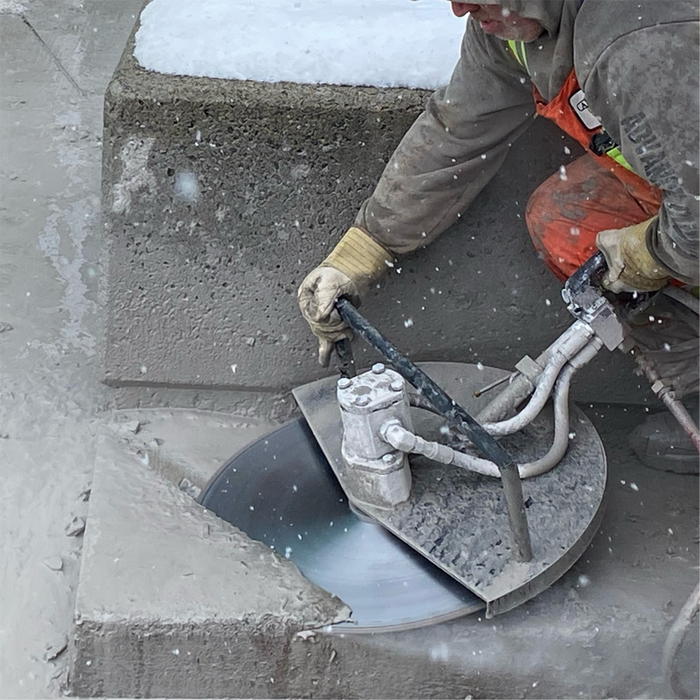
A flush cut concrete saw is a compact concrete cutting machine engineered to cut with the blade positioned parallel to an adjacent surface. Unlike traditional concrete saws that require clearance on both sides of the blade, a flush cut saw allows the operator to cut concrete flat and level right up against a vertical or horizontal obstruction.
Flush cut concrete saws are commonly used for:
-
Cutting concrete flush to walls
-
Trimming slabs at doorways
-
Removing raised concrete lips
-
Leveling uneven concrete edges
-
Demolition in confined spaces
Their design prioritizes accuracy, control, and access.
How a Flush Cut Concrete Saw Works


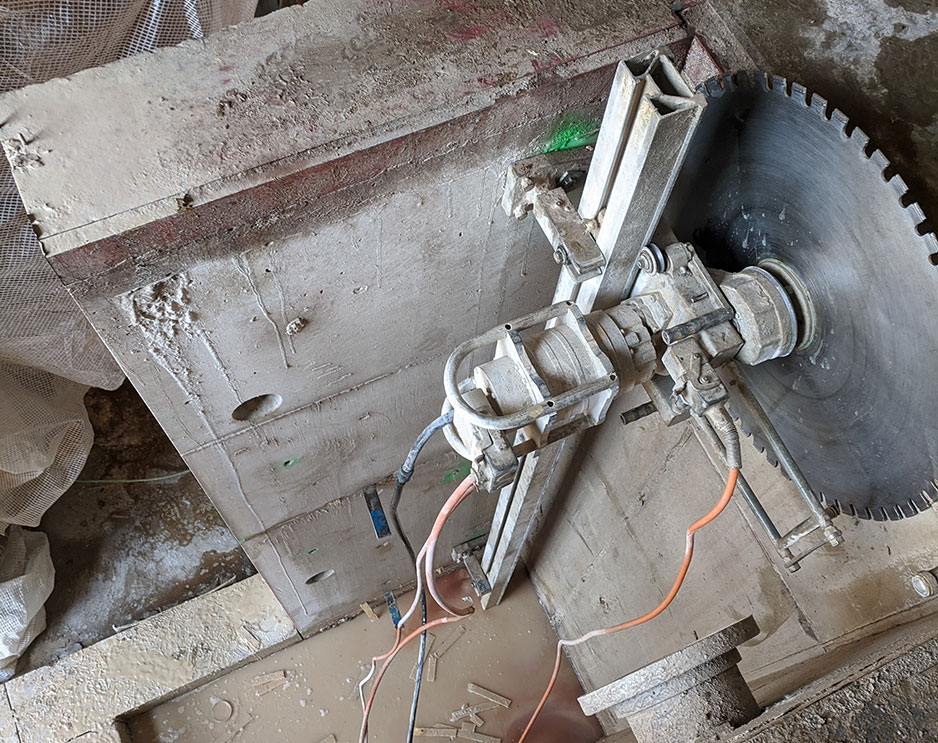
Flush cut concrete saws use a side-mounted diamond blade that spins parallel to the cutting surface. This configuration allows the blade to reach areas standard saws cannot access.
Key components include:
-
Side-mounted or offset blade assembly
-
High-torque motor (electric, gas, or hydraulic)
-
Diamond flush cut blade
-
Depth adjustment system
-
Vibration-dampening handles
As the operator guides the saw along the surface, the blade grinds through concrete cleanly while maintaining a flush profile.
Flush Cut Concrete Saw vs Standard Concrete Saw
Traditional concrete saws are designed for open, straight cuts and require space on both sides of the blade. Flush cut concrete saws solve a different problem.
Flush Cut Concrete Saw Advantages
-
Cuts directly against walls or structures
-
Produces flat, level edges
-
Ideal for tight or confined spaces
-
Reduces secondary chipping or patching
Standard Concrete Saw Limitations
-
Cannot cut fully flush
-
Leaves lips or raised edges
-
Requires additional grinding or demolition
For precision trimming and close-proximity cuts, flush cut saws are the correct tool.
Types of Flush Cut Concrete Saws

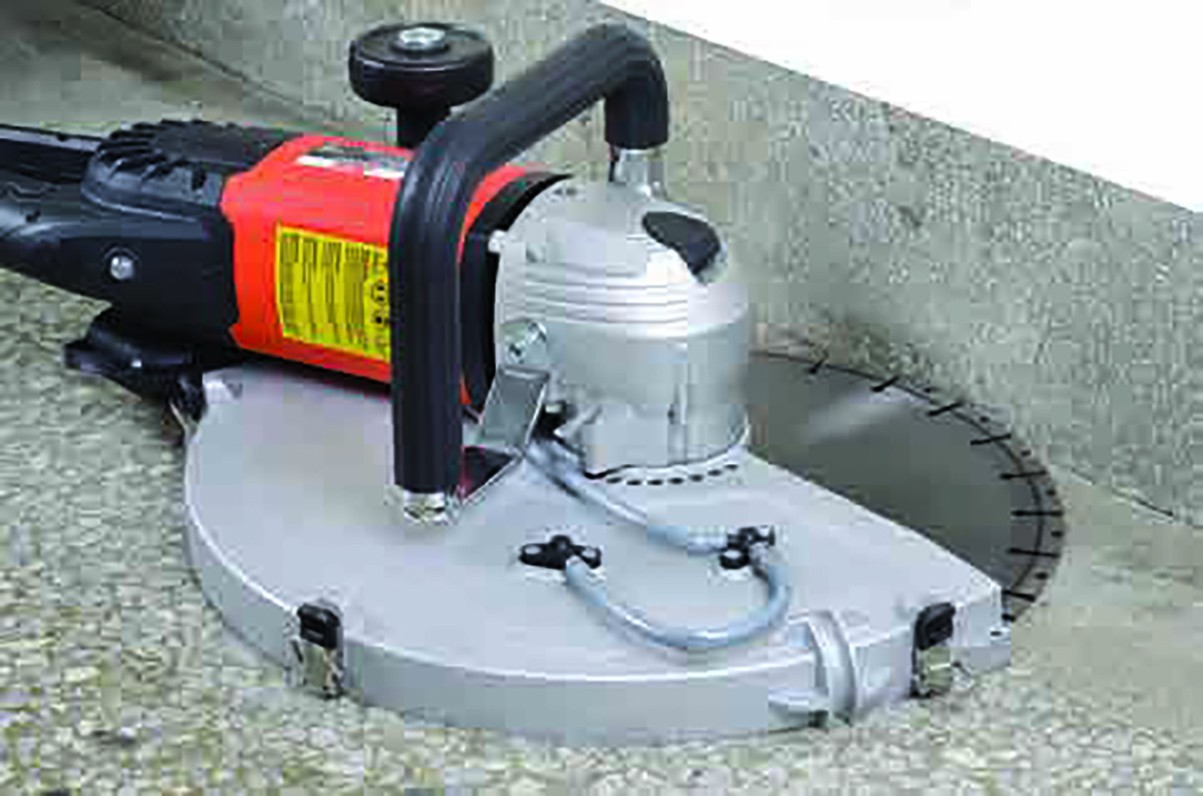
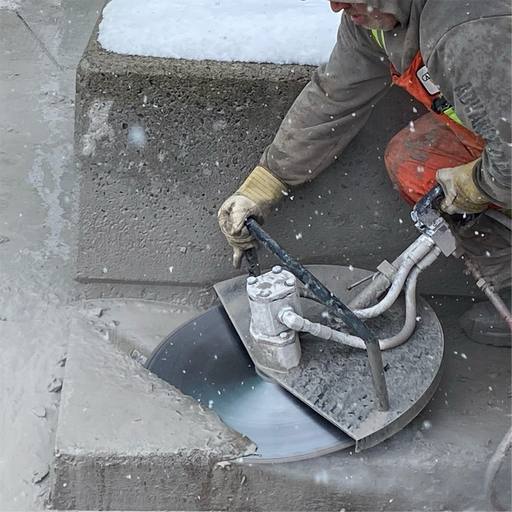
Handheld Flush Cut Concrete Saws
Compact and portable, handheld flush cut saws are ideal for remodeling, repair, and demolition work in confined areas.
Electric Flush Cut Concrete Saws
Electric models are commonly used indoors due to zero emissions, reduced noise, and compatibility with wet cutting.
Hydraulic Flush Cut Concrete Saws
Hydraulic units offer high torque and are often used in heavy-duty commercial or industrial applications where power and durability are critical.
Flush Cut Concrete Saw Blades
The blade is one of the most important components of a flush cut concrete saw.
Flush Cut Diamond Blades
Flush cut blades are designed with reinforced cores and specialized segment placement to handle side loading while cutting flat.
Blade features include:
-
Diamond segments for concrete and masonry
-
Reinforced steel core for stability
-
Compatibility with wet or dry cutting
-
Thin profile for precise cuts
Selecting the correct blade ensures clean cuts and longer tool life.
Materials a Flush Cut Concrete Saw Can Cut
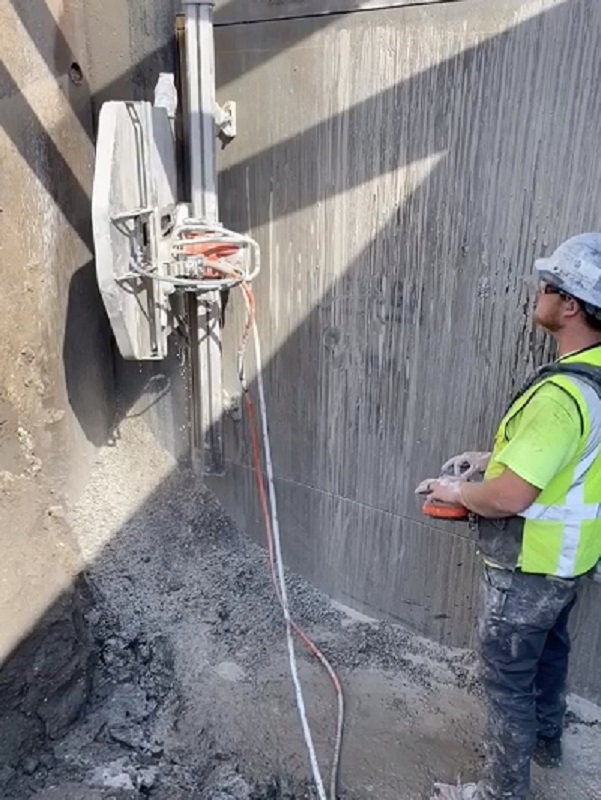
Flush cut concrete saws are capable of cutting:
-
Cured concrete
-
Reinforced concrete (light rebar contact)
-
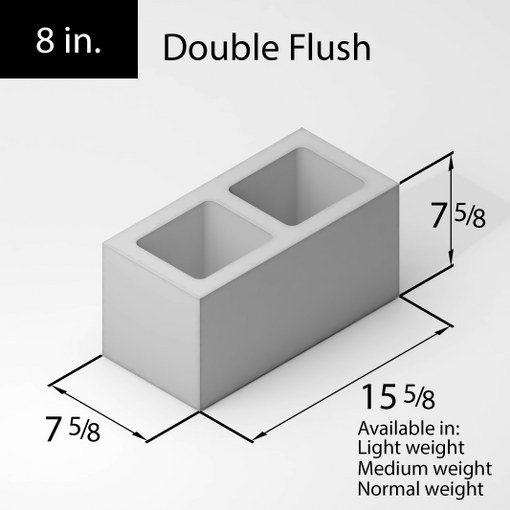
Masonry block and brick
-
Stone and precast concrete
-
Concrete overlays and toppings
They are not intended for green concrete or soft materials.
Common Applications of Flush Cut Concrete Saws
Remodeling and Renovation
Used to trim concrete floors and slabs flush with walls during interior renovations.
Doorway and Threshold Work
Flush cut saws remove raised concrete edges to allow proper door or flooring installation.
Plumbing and Electrical Access
Creates precise openings without damaging surrounding concrete or framing.
Concrete Repair and Leveling
Removes uneven edges, spalls, or protrusions prior to patching or resurfacing.
Demolition in Tight Spaces
Ideal for controlled demolition where precision is required.
Wet Cutting vs Dry Cutting
Wet Cutting
Wet cutting is preferred for flush cut concrete saws because it:
-
Reduces dust
-
Cools the blade
-
Extends blade life
-
Produces cleaner cuts
Water-fed flush cut saws are commonly used indoors and on finished surfaces.
Dry Cutting
Dry cutting offers portability and faster setup but generates significant dust. Dust control systems and PPE are essential.
Power Options and Performance
Flush cut concrete saws are available in multiple power configurations.
Electric
-
Ideal for indoor use
-
Lower noise
-
Requires power source
Gas
-
High mobility
-
Outdoor use
-
Higher noise and emissions
Hydraulic
-
Maximum torque
-
Industrial-grade performance
-
Requires hydraulic power unit
Power selection depends on jobsite conditions and material thickness.
Safety Considerations


Flush cut concrete saws require strict safety practices.
Essential safety measures include:
-
Eye and face protection
-
Hearing protection
-
Respiratory protection
-
Proper blade guards
-
Stable footing and two-hand control
Side-loading blades requires controlled pressure and steady technique.
Popular Flush Cut Concrete Saw Manufacturers
Several manufacturers are known for producing reliable flush cut concrete saws and blades:
-
Husqvarna – Professional concrete cutting solutions
-
Makita – Precision electric concrete saws
-
Hilti – High-performance cutting equipment
-
ICS Diamond Tools – Specialized diamond blades
-
MK Diamond – Trusted concrete cutting blades
These brands focus on durability, precision, and professional jobsite performance.
Maintenance and Blade Care
Proper maintenance ensures consistent results and long service life.
Maintenance tips:
-
Inspect blades for wear or warping
-
Dress diamond blades when cutting slows
-
Clean water ports after wet cutting
-
Store blades flat and dry
Well-maintained equipment produces cleaner cuts and reduces downtime.
Flush Cut Concrete Saw vs Angle Grinder
While angle grinders can perform limited flush cutting, they lack the control and depth capacity of dedicated flush cut saws.
Flush Cut Saw Advantages
-
Deeper, straighter cuts
-
Better stability
-
Designed for side loading
-
Professional finish quality
For serious concrete trimming, a flush cut concrete saw is the superior choice.
Choosing the Right Flush Cut Concrete Saw
When selecting a flush cut concrete saw, consider:
-
Required cutting depth
-
Power source availability
-
Indoor vs outdoor use
-
Blade size compatibility
-
Dust control needs
Matching the saw to the job ensures efficiency and safety.
Flush Cut Concrete Saw FAQs
What is a flush cut concrete saw used for?
It is used to cut concrete flat and level against walls, floors, and other structures.
Can a flush cut saw cut reinforced concrete?
Yes, it can handle light rebar contact with the correct diamond blade.
Is wet cutting required?
Wet cutting is recommended for cleaner cuts and dust control, especially indoors.
Can I use a standard concrete blade?
No. Flush cut saws require blades designed for side loading and flush cutting.
Are flush cut concrete saws handheld?
Most are handheld for precision and control in tight spaces.
How deep can a flush cut concrete saw cut?
Depth depends on blade size and saw design, typically several inches.
Is a flush cut saw safe to use indoors?
Yes, especially electric wet-cutting models with proper ventilation.
Do flush cut concrete saws replace grinders?
No. They complement grinders by providing deeper, more precise flush cuts.
Why a Flush Cut Concrete Saw Is Essential for Precision Work
A flush cut concrete saw solves one of the most common challenges in concrete cutting—making clean, level cuts where space is limited. By allowing cuts directly against walls and structures, it eliminates the need for excessive grinding, patching, or secondary demolition.
For contractors, remodelers, and concrete professionals who demand accuracy, efficiency, and clean finishes, a flush cut concrete saw is an indispensable tool that delivers professional results in situations where standard saws fall short.