
Crack Chaser
Crack Chaser Blade: Complete Guide to Concrete Crack Repair Cutting
A crack chaser blade is a specialized diamond blade designed specifically for routing, cleaning, and widening cracks in concrete and masonry surfaces. It plays a critical role in professional concrete repair by creating a clean, uniform channel that allows repair materials to properly bond and penetrate. Whether used on driveways, warehouse floors, sidewalks, foundations, or industrial slabs, a crack chaser blade ensures long-lasting crack repair results.
This comprehensive guide explains what a crack chaser blade is, how it works, blade types, materials, sizes, applications, safety considerations, and answers every commonly asked question about crack chaser blades.
What Is a Crack Chaser Blade?
A crack chaser blade is a diamond cutting blade with a V-shaped or U-shaped profile designed to follow existing cracks in concrete. Unlike flat diamond blades used for straight cuts, crack chaser blades widen cracks into a controlled groove, removing loose debris and weak concrete.
The resulting channel allows sealants, epoxies, or polyurethane fillers to adhere correctly, significantly extending the life of the repair.
Why Crack Chaser Blades Are Essential for Concrete Repair
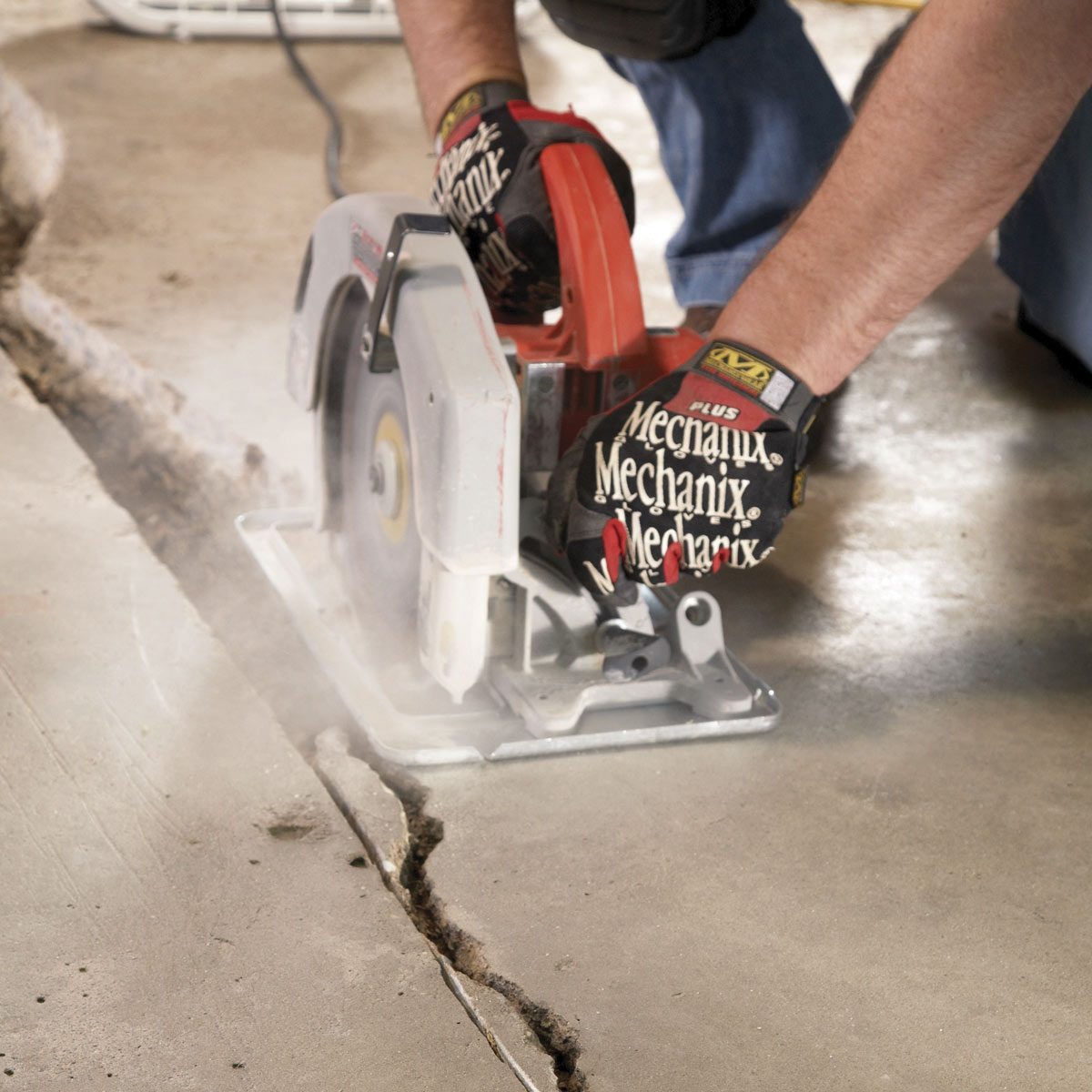
Concrete cracks rarely repair well if simply filled at the surface. Crack chaser blades solve this problem by:
-
Removing deteriorated concrete
-
Creating uniform crack geometry
-
Improving bonding surface area
-
Allowing deeper penetration of repair compounds
-
Preventing future crack re-opening
Professional contractors and facility maintenance teams rely on crack chaser blades to meet repair standards on both structural and cosmetic concrete.
How a Crack Chaser Blade Works
A crack chaser blade mounts to an angle grinder, walk-behind saw, or small concrete saw. As the blade follows the crack path, its angled profile reshapes the crack into a consistent groove.
The V-shape design helps:
-
Prevent filler pullout
-
Lock repair material in place
-
Reduce surface stress after curing
This mechanical advantage makes crack chaser blades superior to straight-slot cutting methods.
Common Applications for Crack Chaser Blades
Crack chaser blades are widely used across residential, commercial, and industrial environments.
Concrete Floor Repair
Used in warehouses, garages, and manufacturing plants before applying epoxy or polyurea crack fillers.
Driveways and Sidewalks
Ideal for residential concrete repairs that need durability and clean appearance.
Structural Crack Preparation
Used prior to epoxy injection in foundations and structural slabs.
Decorative and Polished Concrete
Creates precise crack channels without damaging surrounding finishes.
Types of Crack Chaser Blades
V-Shaped Crack Chaser Blades
The most common style. Creates a narrow-to-wide profile that locks repair material into place.
U-Shaped Crack Chaser Blades
Creates a rounded channel. Often used when specific filler manufacturers require uniform-width grooves.
Turbo Crack Chaser Blades
Feature segmented diamond edges for faster cutting in hard concrete and reinforced slabs.
Crack Chaser Blade Sizes and Compatibility
Crack chaser blades are available in multiple sizes to match different tools and applications.
Common Blade Diameters
-
4 to 4.5 inches (angle grinders)
-
5 inches
-
7 inches (small concrete saws)
Arbor Sizes
-
5/8"-11 threaded (grinders)
-
7/8" arbor (saws)
Always verify tool compatibility before use.
Materials Crack Chaser Blades Can Cut
Crack chaser blades are engineered for hard, abrasive materials, including:
-
Cured concrete
-
Reinforced concrete
-
Masonry
-
Brick
-
Stone
-
Mortar joints
They are not intended for wood, metal, or soft materials.
Dry vs Wet Crack Chaser Blades
Dry Cutting Crack Chaser Blades
Most crack chaser blades are designed for dry cutting, making them ideal for indoor repairs and confined spaces when paired with dust control systems.
Wet Cutting Crack Chaser Blades
Some models allow wet cutting to reduce dust and extend blade life, especially in high-volume applications.
Always follow manufacturer recommendations for wet or dry use.
Popular Crack Chaser Blade Manufacturers
Several manufacturers are known for producing high-quality crack chaser blades trusted by professionals:
-
Husqvarna – Durable diamond blades for concrete repair
-
MK Diamond – Precision crack chasing solutions
-
Samedia – High-performance blades for hard concrete
-
Metabo – Professional-grade cutting accessories
-
Bosch – Widely compatible crack chaser blades
Each brand offers blades optimized for different hardness levels and cutting speeds.
Safety Considerations When Using a Crack Chaser Blade
Concrete crack chasing produces dust, debris, and vibration, making safety critical.
Important safety practices include:
-
Wearing eye protection and face shields
-
Using respirators or dust masks
-
Wearing hearing protection
-
Maintaining firm two-handed tool control
-
Using grinders with dust shrouds when possible
Silica dust exposure is a serious hazard, so proper dust management is essential.
Best Practices for Crack Chasing Concrete
To achieve professional results:
-
Clean the crack before cutting
-
Follow the natural crack path
-
Avoid forcing the blade
-
Maintain steady speed
-
Vacuum or blow out debris after cutting
-
Apply repair material according to manufacturer instructions
Proper technique extends blade life and improves repair durability.
Crack Chaser Blade vs Standard Diamond Blade
Standard diamond blades are designed for straight cuts and lack the geometry needed for crack repair.
Crack chaser blade advantages:
-
Designed specifically for cracks
-
Creates repair-ready profiles
-
Improves filler adhesion
-
Reduces repair failure
Using the correct blade dramatically improves long-term repair outcomes.
Maintenance and Blade Life
Crack chaser blade lifespan depends on:
-
Concrete hardness
-
Cutting depth
-
Cutting speed
-
Dust control
Dressing the blade periodically on abrasive material can restore cutting performance.
Crack Chaser Blade FAQs
What is a crack chaser blade used for?
A crack chaser blade is used to widen and clean concrete cracks before filling or repairing them.
Can a crack chaser blade cut reinforced concrete?
Yes. Most diamond crack chaser blades can cut through reinforced concrete.
What tool is used with a crack chaser blade?
They are commonly used with angle grinders or small concrete saws.
Is a crack chaser blade better than a straight blade?
Yes. Its V-shaped design improves repair adhesion and longevity.
Do crack chaser blades require water?
Most are designed for dry cutting, though some support wet cutting.
How deep should I cut with a crack chaser blade?
Depth depends on repair material requirements, typically ½ to 1 inch.
Can crack chaser blades be reused?
Yes. With proper use and maintenance, they can be used on multiple projects.
Are crack chaser blades safe for indoor use?
Yes, when paired with proper dust extraction and protective equipment.
Why a Crack Chaser Blade Is Critical for Quality Concrete Repair
A crack chaser blade is not just an accessory—it is a foundational tool for professional concrete repair. By creating a clean, structured channel, it allows repair materials to perform as intended, preventing premature failure and repeat cracking.
From residential driveways to industrial floors, using a crack chaser blade ensures repairs that last longer, look better, and meet professional standards across every concrete application.