
Compacting Gravel
Compacting Gravel: Complete Guide to Methods, Equipment, and Best Practices
This in-depth guide explains what compacting gravel is, why it matters, the types of gravel used, compaction methods, equipment options, step-by-step techniques, common mistakes, and answers to all frequently asked questions.
What Is Compacting Gravel?
Compacting gravel is the process of mechanically compressing gravel particles so they lock together tightly, eliminating air voids and increasing density. When gravel is properly compacted, individual stones interlock, creating a firm, stable base capable of supporting weight and resisting movement.
Loose gravel may look level on the surface, but without compaction it will shift under load, allowing water intrusion, rutting, and uneven settlement.
Why Compacting Gravel Is Essential
Compacting gravel is not optional for structural projects. It provides several essential benefits:
-
Improved load-bearing capacity
-
Reduced settling and sinkholes
-
Better drainage control
-
Increased surface durability
-
Prevention of rutting and washouts
From residential driveways to commercial foundations, compacted gravel forms the backbone of long-lasting construction.
Types of Gravel Used for Compaction
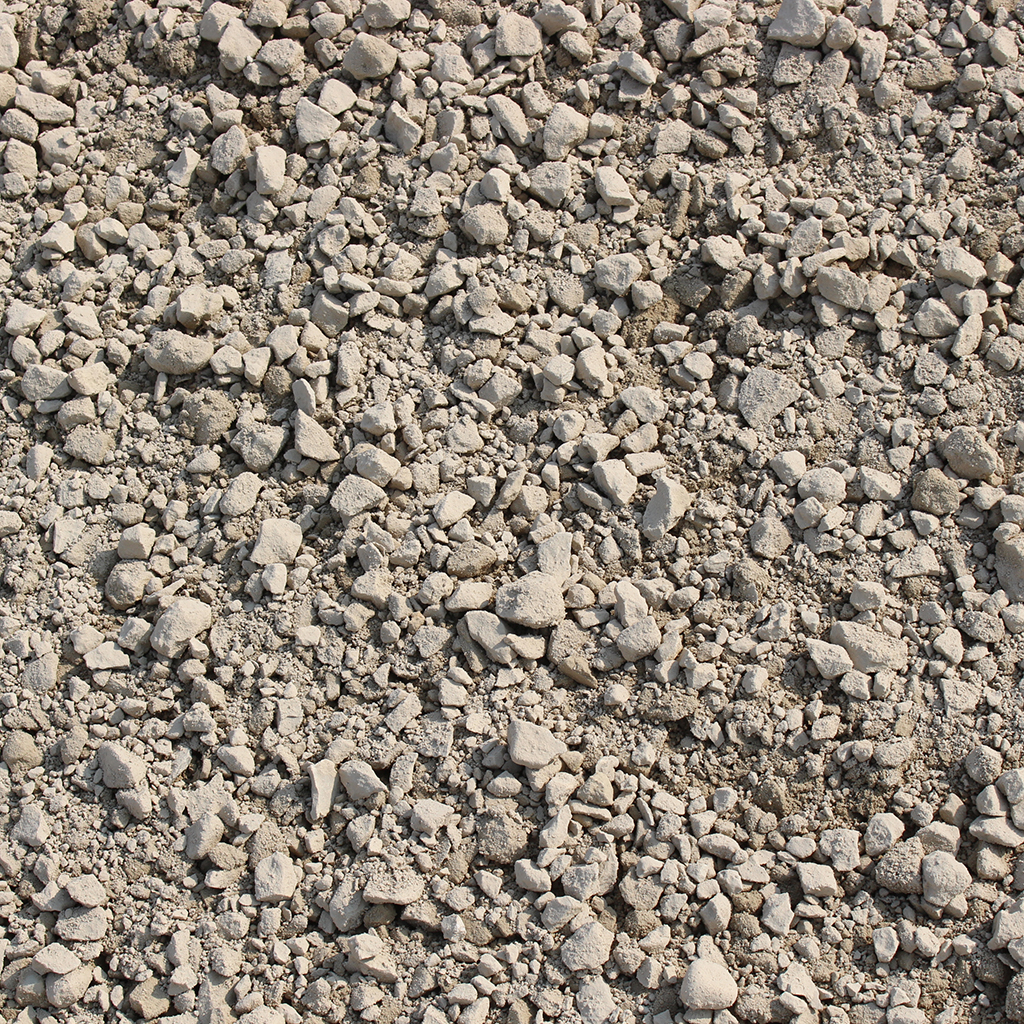
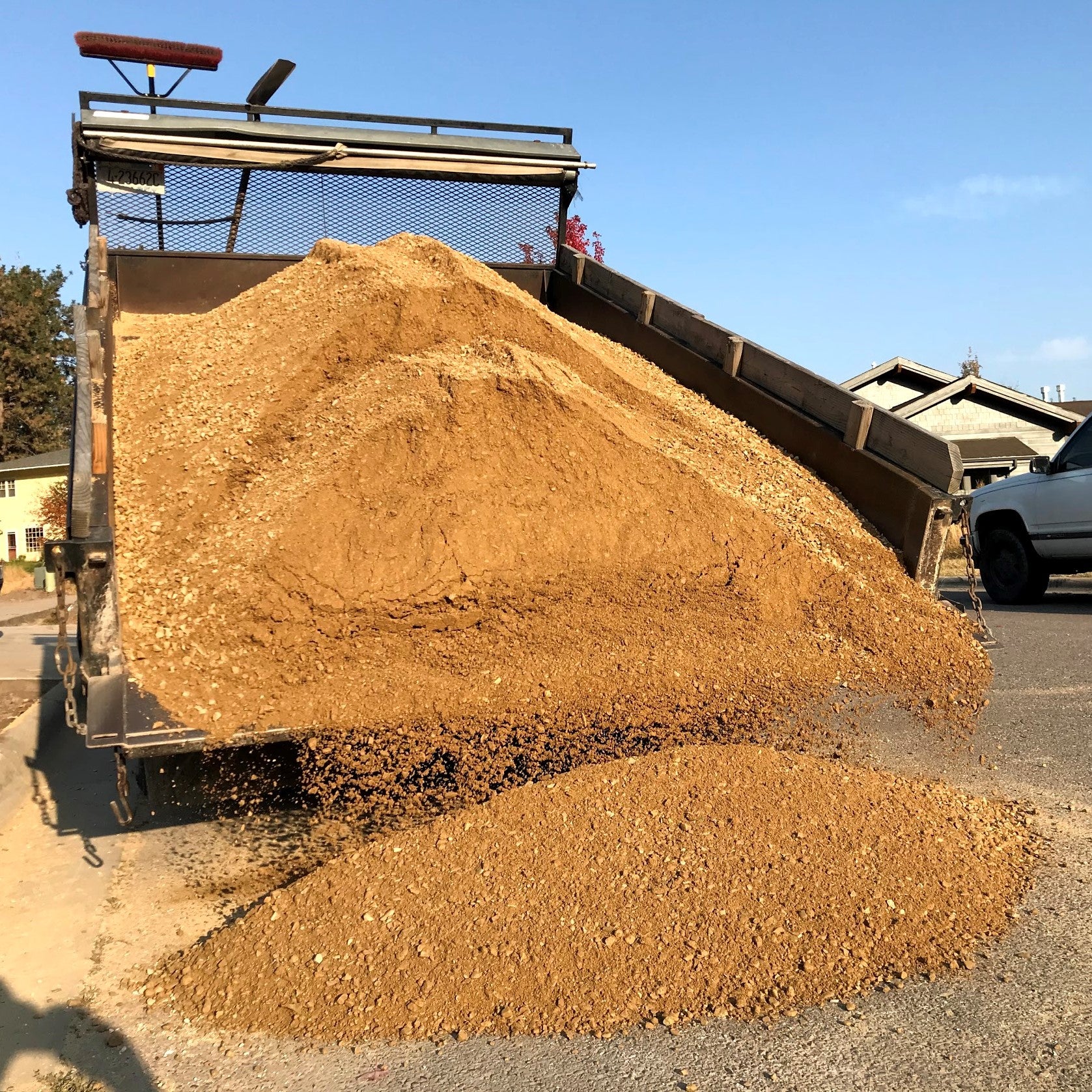
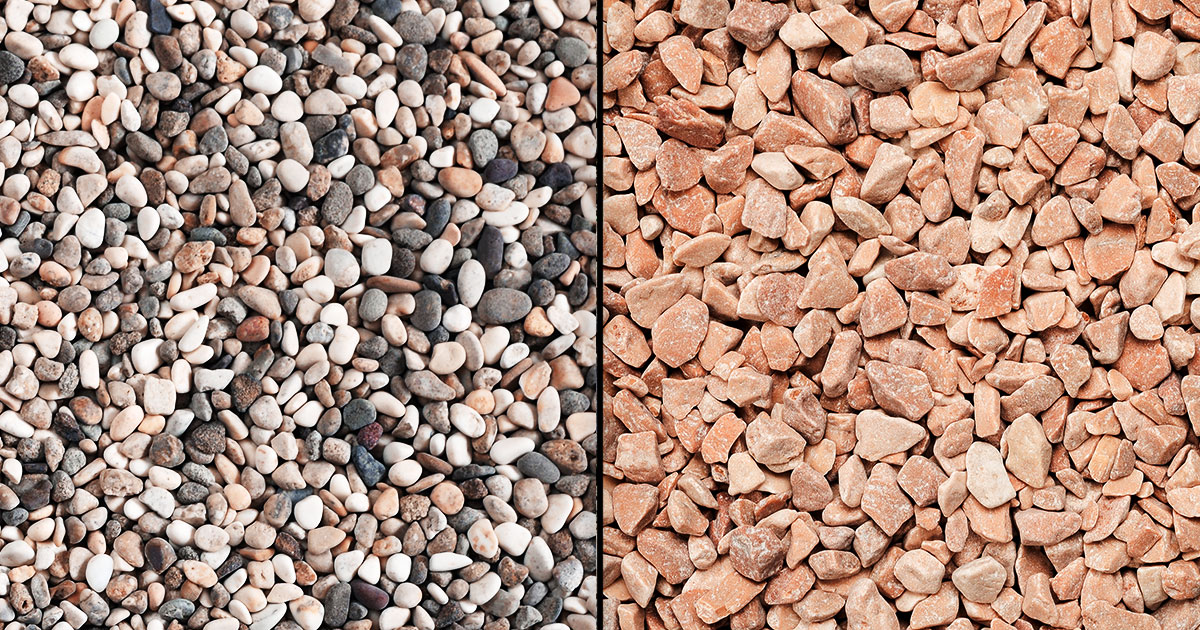
Not all gravel compacts the same way. The right material makes compaction easier and more effective.
Crushed Stone
Crushed stone has angular edges that interlock tightly when compacted, making it the best choice for structural bases.
Road Base (Crusher Run)
A blend of crushed stone and fines (stone dust), road base compacts exceptionally well and is commonly used for driveways and foundations.
Decomposed Granite
Decomposed granite compacts firmly when moistened and is often used for walkways and decorative applications.
Pea Gravel
Pea gravel does not compact well due to its rounded shape and is unsuitable for load-bearing bases unless contained.
How Compacting Gravel Works
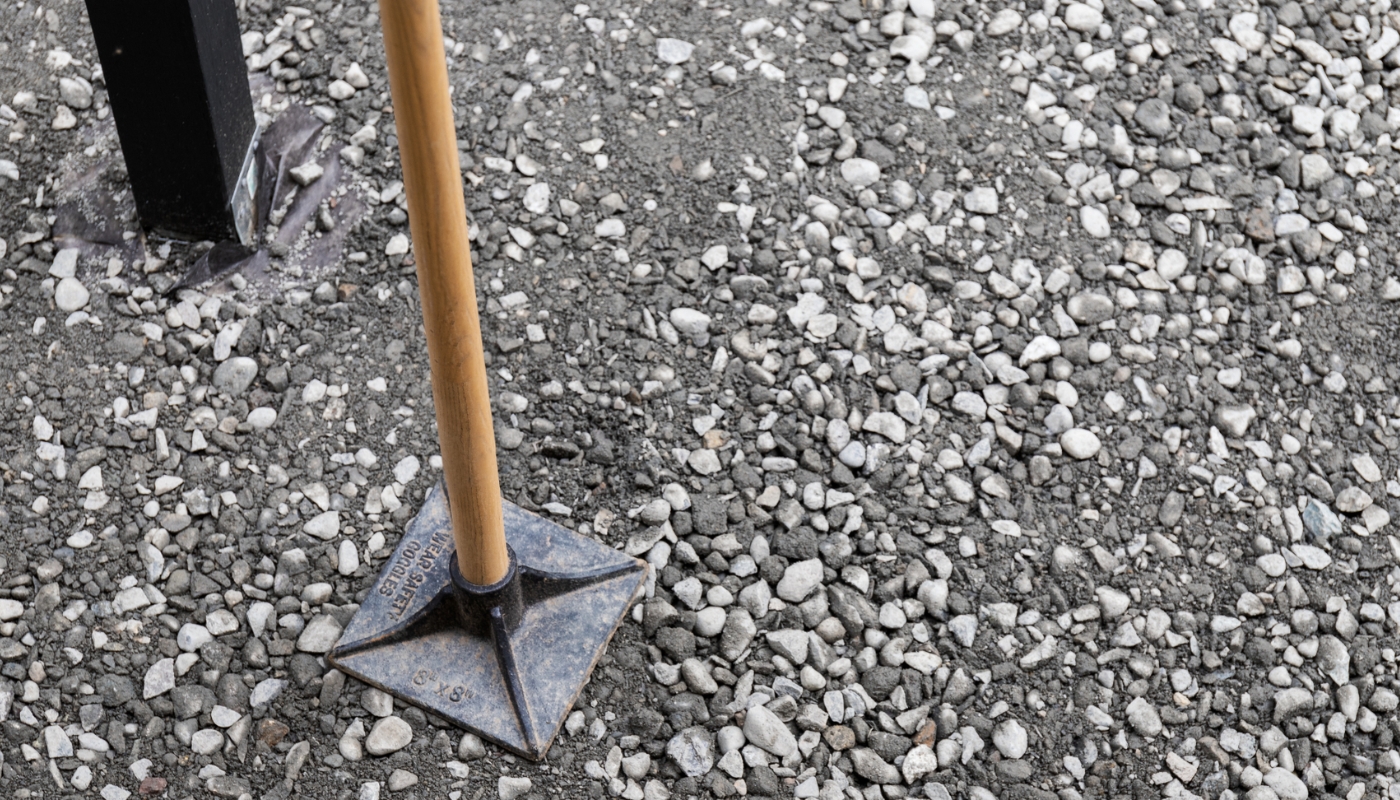
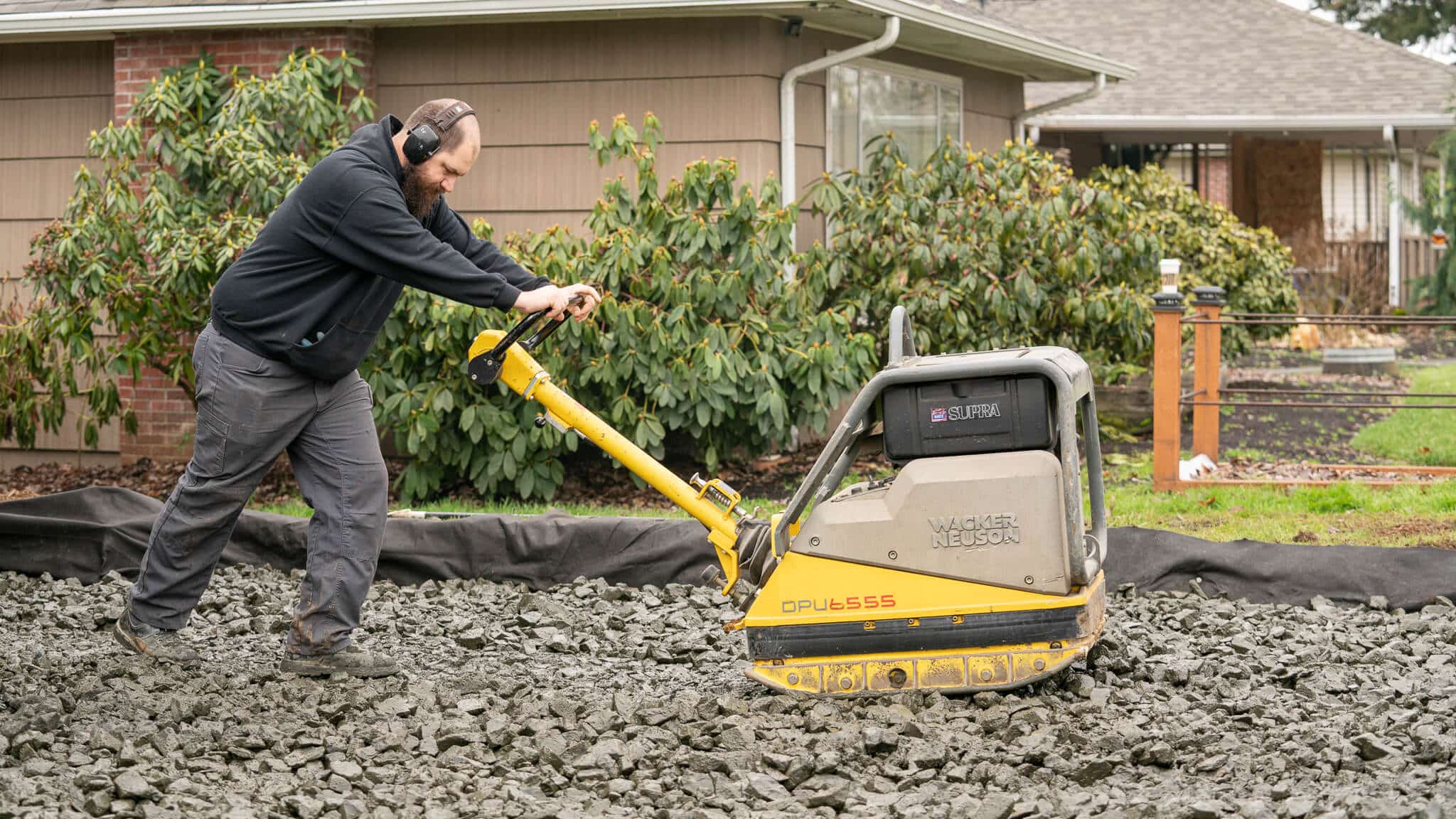
Compaction works by forcing gravel particles closer together, expelling air and increasing density. Vibration helps particles settle and lock together, while downward pressure ensures even consolidation.
Effective compaction depends on:
-
Proper material selection
-
Correct moisture content
-
Thin lift layers
-
Appropriate compaction equipment
Skipping any of these steps reduces the effectiveness of compaction.
Methods for Compacting Gravel
Plate Compactors
Plate compactors are the most common tools for compacting gravel in residential and light commercial projects. They use vibration and downward force to compact gravel efficiently.
Best for:
-
Driveways
-
Patios
-
Walkways
-
Shed pads
Vibratory Rollers
Vibratory rollers are used on larger projects such as roads and parking lots. Their weight and vibration compact gravel deeply and evenly.
Best for:
-
Road bases
-
Large commercial areas
-
Infrastructure projects
Hand Tampers
Hand tampers are manual tools used for small areas or tight spaces where machines cannot reach.
Best for:
-
Trenches
-
Edges
-
Small repairs
Equipment Commonly Used for Compacting Gravel
Several manufacturers are known for producing reliable compaction equipment:
-
Wacker Neuson – Industry leader in plate compactors and rollers
-
Bomag – High-performance vibratory rollers
-
Multiquip – Contractor-grade compactors
-
Bartell Global – Durable compaction solutions
-
Honda – Trusted power source for many compactors
Choosing the right equipment size and weight ensures proper compaction without overworking the material.
Step-by-Step Process for Compacting Gravel
Step 1: Prepare the Subgrade
Remove organic material, topsoil, and debris. The underlying soil should be firm and roughly level before adding gravel.
Step 2: Install a Base Layer
Spread gravel in thin lifts, typically 2–4 inches thick. Thick layers will not compact evenly.
Step 3: Add Moisture
Lightly mist the gravel with water. Slight moisture helps particles settle and bind together. Avoid soaking the material.
Step 4: Compact the Gravel
Run the compactor slowly and evenly across the surface. Make multiple passes in overlapping patterns to ensure uniform density.
Step 5: Repeat as Needed
Add additional layers and repeat the process until the desired depth is achieved.
Moisture Control and Its Importance
Water plays a crucial role in compacting gravel. Dry gravel resists movement, while overly wet gravel turns mushy and loses structure.
Ideal moisture conditions:
-
Damp, not saturated
-
No standing water
-
Gravel darkens slightly when wetted
Proper moisture dramatically improves compaction results.
Compacting Gravel for Specific Applications
Driveways
Driveways require deep, well-compacted gravel bases to support vehicle weight and prevent rutting.
Patios and Pavers
Compacted gravel creates a stable base that prevents pavers from shifting or sinking.
Walkways
Proper compaction prevents uneven surfaces and trip hazards.
Shed and Structure Foundations
Compacted gravel distributes weight evenly and reduces moisture problems beneath structures.
Compacting Gravel vs Compacting Soil
Gravel and soil behave differently during compaction.
-
Gravel relies on particle interlock
-
Soil relies on cohesion and moisture balance
Gravel compacts faster but requires the right aggregate shape and layering, while soil compaction often requires more moisture control.
Common Mistakes When Compacting Gravel
Avoiding these mistakes ensures long-lasting results:
-
Using rounded gravel that won’t lock together
-
Compacting layers that are too thick
-
Skipping moisture control
-
Insufficient compactor weight
-
Uneven compaction passes
These errors often lead to settlement and surface failure.
How to Tell If Gravel Is Properly Compacted
Well-compacted gravel:
-
Feels firm underfoot
-
Does not shift when walked on
-
Leaves minimal footprints
-
Resists rutting under load
If gravel moves easily, additional compaction is needed.
Maintenance of Compacted Gravel Surfaces
Even properly compacted gravel may need occasional maintenance.
Maintenance tips include:
-
Periodic re-compaction in high-traffic areas
-
Adding fresh gravel as needed
-
Maintaining proper drainage
-
Re-leveling ruts promptly
Routine care extends the life of compacted gravel surfaces.
Compacting Gravel FAQs
Why is compacting gravel important?
Compaction increases stability, load capacity, and durability while preventing settling and erosion.
Can all types of gravel be compacted?
No. Angular gravels compact well, while rounded gravels like pea gravel do not.
How thick should gravel layers be when compacting?
Most layers should be 2–4 inches thick for effective compaction.
Do I need water to compact gravel?
Yes. Slight moisture helps gravel particles settle and lock together.
What is the best machine for compacting gravel?
Plate compactors are ideal for most residential projects, while rollers are used for large areas.
Can I compact gravel by hand?
Yes, but only for small areas. Hand tampers are not practical for large surfaces.
How many passes are needed to compact gravel?
Typically 2–4 passes per layer, depending on equipment and material.
Can compacted gravel support vehicles?
Yes. Properly compacted gravel bases can support cars, trucks, and heavy equipment.
Why Compacting Gravel Determines Project Success
Compacting gravel is one of the most important yet overlooked steps in construction and landscaping. When done correctly, it creates a strong, stable foundation that supports structures, improves drainage, and resists long-term wear.
Whether you are installing a driveway, building a patio, or preparing a foundation, proper gravel compaction ensures durability, safety, and professional-quality results that stand the test of time.