
Blade Saw
by Blades Admin
Blade Saw: Complete Guide to Saw Blades, Cutting Tools, Types, and Professional Applications
A blade saw is one of the most important tools used in construction, woodworking, masonry, metal fabrication, and manufacturing. At its core, a blade saw is a cutting system that uses a specialized blade to cut through materials such as wood, concrete, metal, tile, and stone. These tools are designed for precision, efficiency, and durability, making them essential for both professionals and DIY users.
Blade saws come in many forms, ranging from handheld power tools to large industrial cutting machines. Each type of saw uses a specific blade design optimized for a particular material or cutting style. Understanding how blade saws work and choosing the correct blade can dramatically improve cutting performance, accuracy, and safety.
This comprehensive guide explores everything about blade saws, including how they work, the different types available, blade materials, applications, maintenance tips, and frequently asked questions.
What Is a Blade Saw?
A blade saw is a cutting tool that uses a sharpened blade to divide materials. The blade may move in different ways depending on the type of saw.
Some blade saws use:
- Rotating circular blades
- Back-and-forth reciprocating blades
- Continuous band blades
One of the most widely used cutting tools is the circular saw, which uses a rotating blade to cut through wood, plastic, and other materials.
Blade saws are commonly used in construction projects, carpentry work, demolition jobs, and industrial manufacturing.
How Blade Saws Work
Blade saws operate by applying a cutting edge against a material while the blade moves at high speed. The blade removes small particles of material as it cuts, creating a clean separation.
Different saws use different motion mechanisms.
Rotational Cutting
Circular saws and table saws use rotating blades that spin rapidly to cut through materials.
Reciprocating Cutting
Reciprocating saws move the blade back and forth in a straight line.
Continuous Loop Cutting
Band saws use a continuous loop blade that rotates around wheels to cut materials smoothly.
Types of Blade Saws
There are several types of blade saws used across different industries.
Circular Blade Saws
Circular blade saws are among the most common power tools used today.

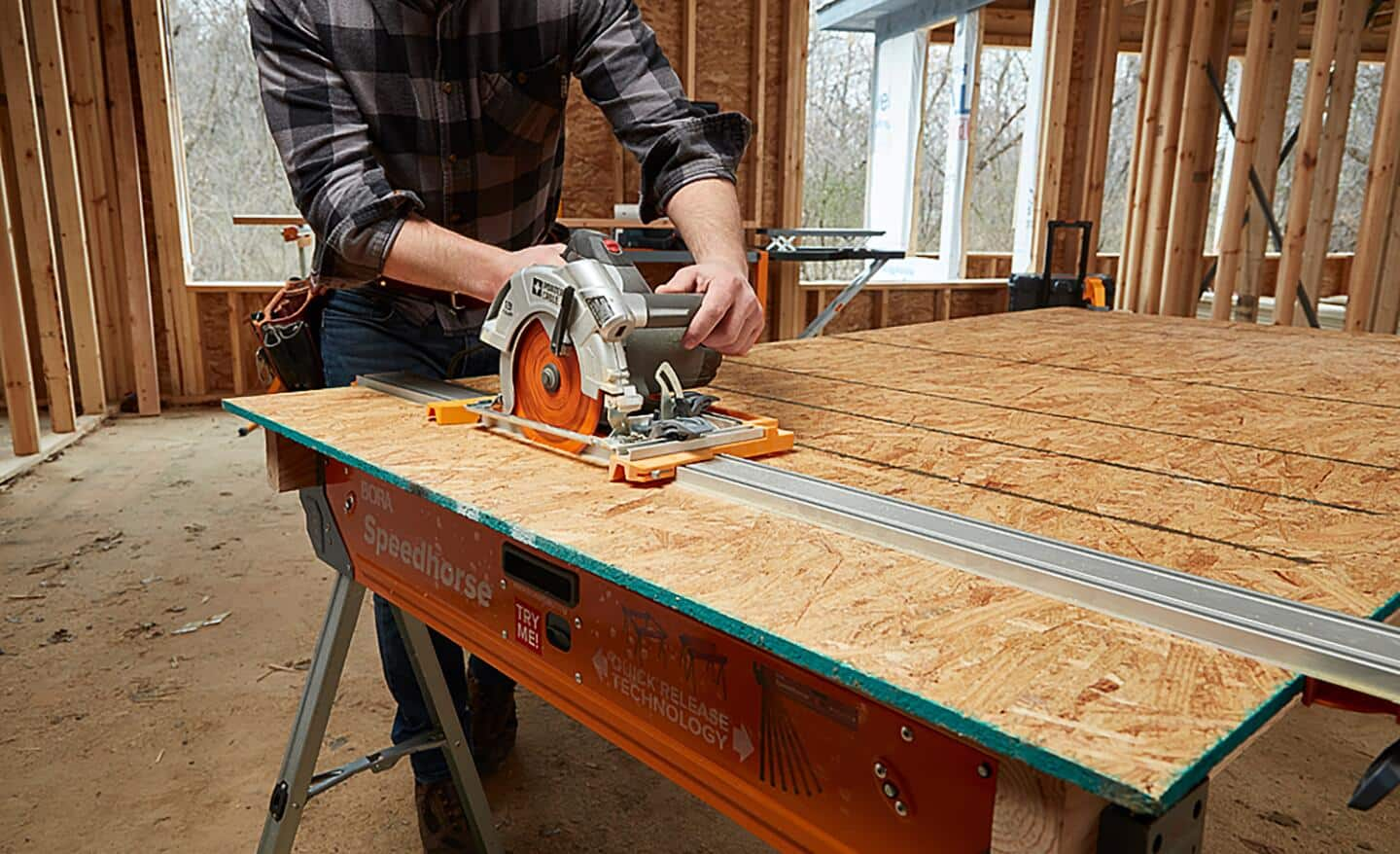
Common uses
- Cutting lumber
- Plywood cutting
- Construction framing
- Home improvement projects
These saws are valued for their portability and cutting speed.
Table Blade Saws
Table saws are stationary tools used for precision cutting.
Applications
- Cabinetmaking
- Furniture production
- Trim work
These saws provide excellent accuracy and control.
Concrete Blade Saws
Concrete saws are heavy-duty machines used to cut hard materials such as concrete and asphalt.
These saws typically use diamond blades designed for abrasive cutting.
Reciprocating Blade Saws
Reciprocating saws are commonly used for demolition and remodeling.
Uses
- Cutting pipes
- Removing drywall
- Demolition work
Their back-and-forth blade motion makes them versatile tools.
Band Blade Saws
Band saws use continuous loop blades to create smooth cuts.
Applications
- Metal cutting
- Woodworking
- Industrial fabrication
They are commonly used in workshops and factories.
Types of Saw Blades
Different saw blades are designed for specific materials and cutting tasks.
Wood Cutting Blades
Wood blades feature sharp teeth designed to cut through lumber efficiently.
Common variations include:
- Rip blades
- Crosscut blades
- Combination blades
Each blade type serves a different cutting purpose.
Diamond Blades
Diamond blades are designed to cut extremely hard materials.
These blades contain industrial diamond particles embedded in the cutting edge.
Common materials cut with diamond blades include:
- Concrete
- Stone
- Tile
- Asphalt
Metal Cutting Blades
Metal blades are designed for cutting steel, aluminum, and other metals.
Features
- Fine teeth
- Heat resistance
- Durable construction
Specialty Blades
Some blades are engineered for unique applications.
Examples include:
- Laminate cutting blades
- Plastic cutting blades
- Rescue blades
Each blade is designed for a specific material or cutting condition.
Materials Used in Saw Blades
Blade material affects durability, cutting speed, and longevity.
High-Speed Steel
High-speed steel blades are durable and heat resistant.
They are often used for cutting metal.
Carbide-Tipped Blades
Carbide-tipped blades are widely used in woodworking.
Benefits
- Long lifespan
- Sharp cutting edges
- Excellent durability
Diamond Blades
Diamond blades are used for masonry cutting applications.
Advantages
- Extremely durable
- Capable of cutting very hard materials
Tooth Design and Blade Performance
The design of blade teeth influences cutting performance.
Tooth Count
Tooth count determines the smoothness of the cut.
Low tooth count
- Faster cutting
- Rougher finish
High tooth count
- Slower cutting
- Smoother finish
Tooth Shape
Different tooth shapes are used for specific cutting styles.
Flat Top Grind
Used for ripping wood.
Alternate Top Bevel
Used for crosscutting.
Triple Chip Grind
Used for laminate and metal cutting.
Hook Angle
The hook angle affects how aggressively the blade cuts.
Positive hook angles cut faster, while negative hook angles offer smoother control.
Applications of Blade Saws
Blade saws are used across numerous industries.
Construction
Construction professionals use blade saws to cut wood, metal, and masonry materials.
Woodworking
Woodworkers rely on blade saws to create furniture and cabinetry.
Masonry
Concrete and stone cutting requires specialized blade saws with diamond blades.
Metal Fabrication
Blade saws are used to cut metal components in manufacturing environments.
Landscaping
Landscapers use blade saws to cut stone pavers and decorative materials.
Choosing the Right Blade Saw
Selecting the correct blade saw depends on several factors.
Material Being Cut
Different materials require different blade types.
Blade Size
Blade diameter must match the saw.
Common sizes include:
- 7¼ inches
- 10 inches
- 12 inches
- 14 inches
Cutting Precision
High tooth count blades produce smoother cuts.
Cutting Speed
Lower tooth count blades allow faster cutting.
Maintenance of Blade Saws
Proper maintenance ensures long-lasting performance.
Cleaning
Removing dust and debris prevents buildup that can affect cutting efficiency.
Sharpening
Some blades can be sharpened to restore cutting performance.
Inspection
Regularly inspect blades for damage or wear.
Proper Storage
Store blades in dry environments to prevent rust.
Safety Tips When Using Blade Saws
Blade saws are powerful tools that require safe operation.
Wear Protective Equipment
Safety glasses, gloves, and hearing protection should always be used.
Secure the Workpiece
Ensure materials are firmly held in place before cutting.
Follow Manufacturer Instructions
Always follow the operating guidelines provided by the tool manufacturer.
Avoid Damaged Blades
Cracked or warped blades should never be used.
Frequently Asked Questions
What is a blade saw?
A blade saw is a cutting tool that uses a blade to cut through materials such as wood, metal, and concrete.
What types of blade saws are available?
Common types include circular saws, table saws, band saws, concrete saws, and reciprocating saws.
What materials can blade saws cut?
Blade saws can cut wood, metal, plastic, stone, concrete, and tile depending on the blade used.
How do I choose the right blade for my saw?
Choose a blade based on the material, tooth count, blade size, and cutting application.
What is a diamond blade used for?
Diamond blades are used for cutting hard materials such as concrete, stone, and tile.
How long do saw blades last?
Blade lifespan depends on usage, material being cut, and maintenance.
Can saw blades be sharpened?
Some blades can be sharpened, while others must be replaced.
Why do saw blades become dull?
Blades dull over time due to friction, heat, and repeated cutting.
Why Blade Saws Remain Essential Cutting Tools
The blade saw remains one of the most important tools across construction, woodworking, and manufacturing industries. Its ability to cut through a wide variety of materials with precision and efficiency makes it indispensable for professionals and DIY users alike.
With the correct blade selection, proper maintenance, and safe operation, blade saws deliver reliable performance across countless projects. Whether cutting lumber on a job site or slicing through concrete in heavy construction work, blade saw systems continue to be essential tools for modern industry.